

A Defense Department official told Congress that the Pentagon is acting on plans to build a multi-layered air defense system in Guam, where Washington keeps several military bases. The Missile Defense Agency (MDA) is requesting $1.5 billion to begin stationing new radars and interceptors on the island next year.
Missile Defense Agency director Vice Adm. Jon Hill told a Senate panel on Tuesday that the Pentagon is currently conducting environmental impact studies at multiple sites where it hopes to deploy new systems. Local officials in Guam now have less than 30 days to review the reports and offer a response.
Hill stressed that the US must defend all of its territories as if they were the American homeland, including Guam, adding that the Pentagon would install a ”360-degree layered defense capability” on the island to secure it against “simultaneous cruise, ballistic, maneuvering and hypersonic” missile attacks.
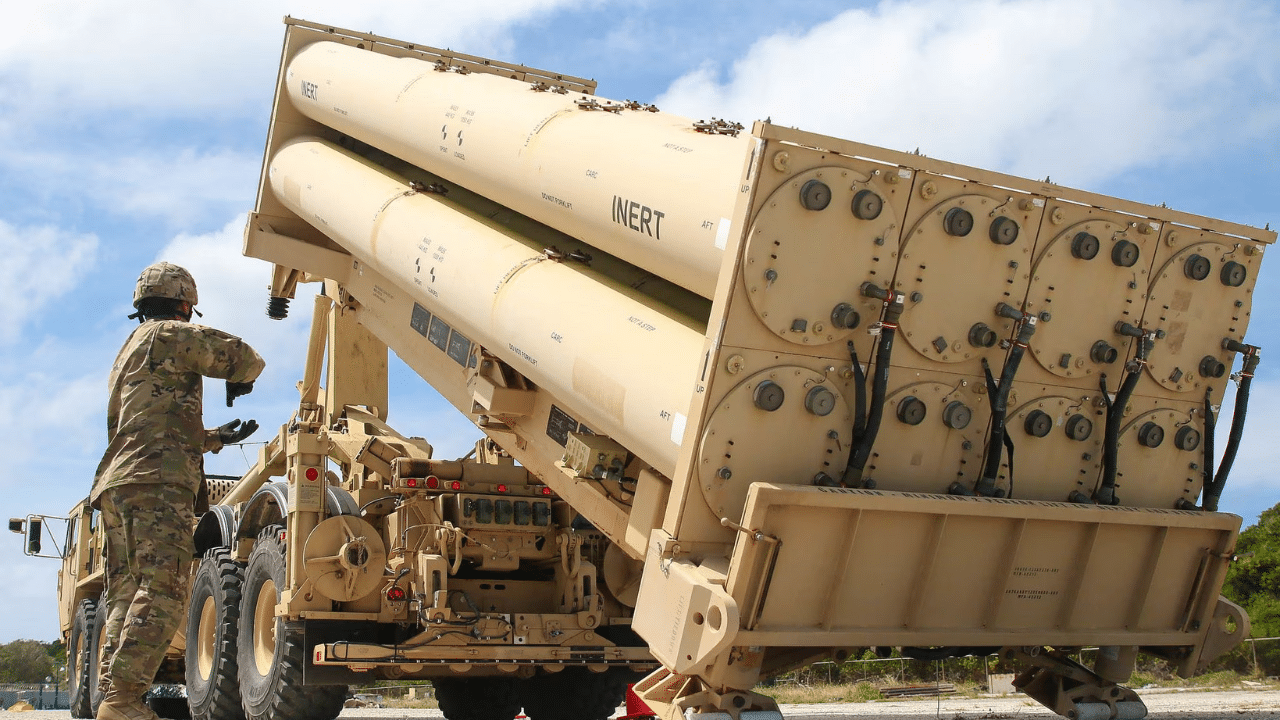
The Missile Defense Agency plans to deploy AEGIS, SM-3, SM-6 and THAAD interceptors at various points on Guam. The Pentagon previously awarded Lockheed Martin a $527 million contract to develop an upgraded AEGIS system for the island, while the MDA is hoping to receive another $1.5 billion to spend on Guam’s air defenses during FY 2024.
The Defense Department is additionally working on new radar systems to deploy to Guam. “We are in the early stages of developing the Homeland Defense Radar-Guam (now designated as the AN/TPY-6 radar) and the Aegis Guam System to provide persistent long-range midcourse discrimination, precision tracking, missile engagements, and hit assessment to protect Guam,” Hill said in his written testimony.
The vice admiral told the Senate panel that the systems were needed to contend with alleged threats posed by China and North Korea.
The Joe Biden administration has adopted confrontational policies toward Beijing and Pyongyang, issuing a steady stream of threats and ultimatums to both countries. China and North Korea say the US military buildup in the region is driving a major spike in tensions, citing a flurry of live-fire drills and other operations in the Asia-Pacific in recent years. The AEGIS system in particular could further fuel the cycle of escalation, as it is capable of being converted to fire offensive missiles, including those carrying nuclear warheads, in addition to defensive interceptors.