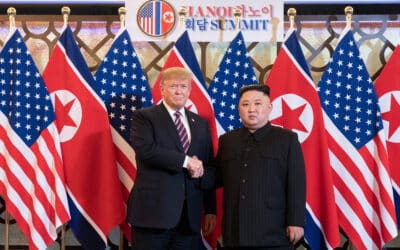
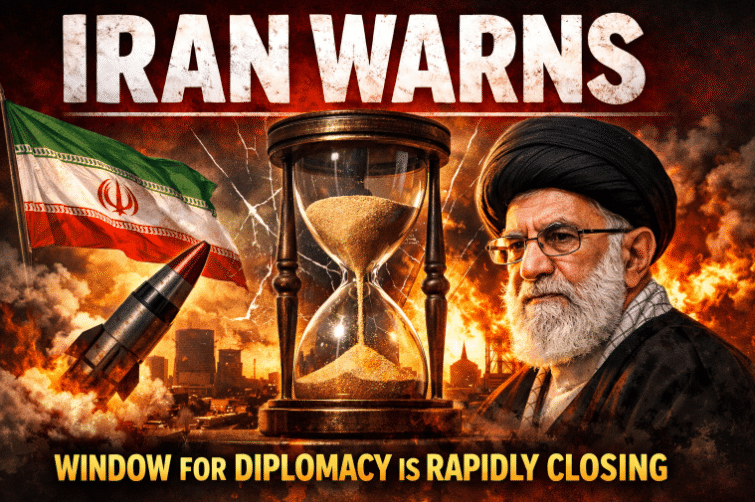
A senior Iranian official said President Donald Trump’s maximalist demands and erratic behavior are harming the diplomatic process.
“Our assessment is that Trump effectively lacks both a coherent plan and the capacity to secure even a temporary agreement. His decision-making appears to be grounded in Israeli political and security assessments, conveyed to him on a daily basis,” a senior Iranian official told Drop Site News. “There hasn’t been any real progress. Both sides are just signaling behind the scenes that they’re open to reaching an agreement.”
Last week, Trump celebrated Tehran’s opening of the Strait of Hormuz. However, he refused to lift the US blockade of Iranian ports, leading Tehran to close the Strait of Hormuz. He also gave a series of statements claiming Iran agreed to major concessions on its nuclear program.
Top Iranian officials denied that Tehran had agreed to give the US its enriched material. Iran says it will not end the conflict until the US recognizes its control over the Strait of Hormuz, pays war reparations, and pledges never to attack Iran again.
On Sunday, Trump posted on Truth Social that he was sending representatives to Pakistan to present Iran with his final offer. He threatened to destroy Iran’s power plants and bridges if Tehran rejected his proposal.
Trump has threatened to destroy the civilian infrastructure of Iran multiple times during the nearly two-month-long war. Earlier this month, he said he was prepared to eliminate Iran’s civilization before agreeing to a two-week truce.
The Iranian official speaking with Drop Site explained that if current negotiations fail and the war resumes, Tehran will cut off talks with the US for an extended period. “The Islamabad negotiations provided President Trump with an appropriate opportunity to exit the war,” the official explained. “Should [Trump] nevertheless choose to continue the conflict, Iran will, for a prolonged period, suspend diplomatic channels and will seek, within the context of the conflict, to impose significantly greater costs on United States interests.”