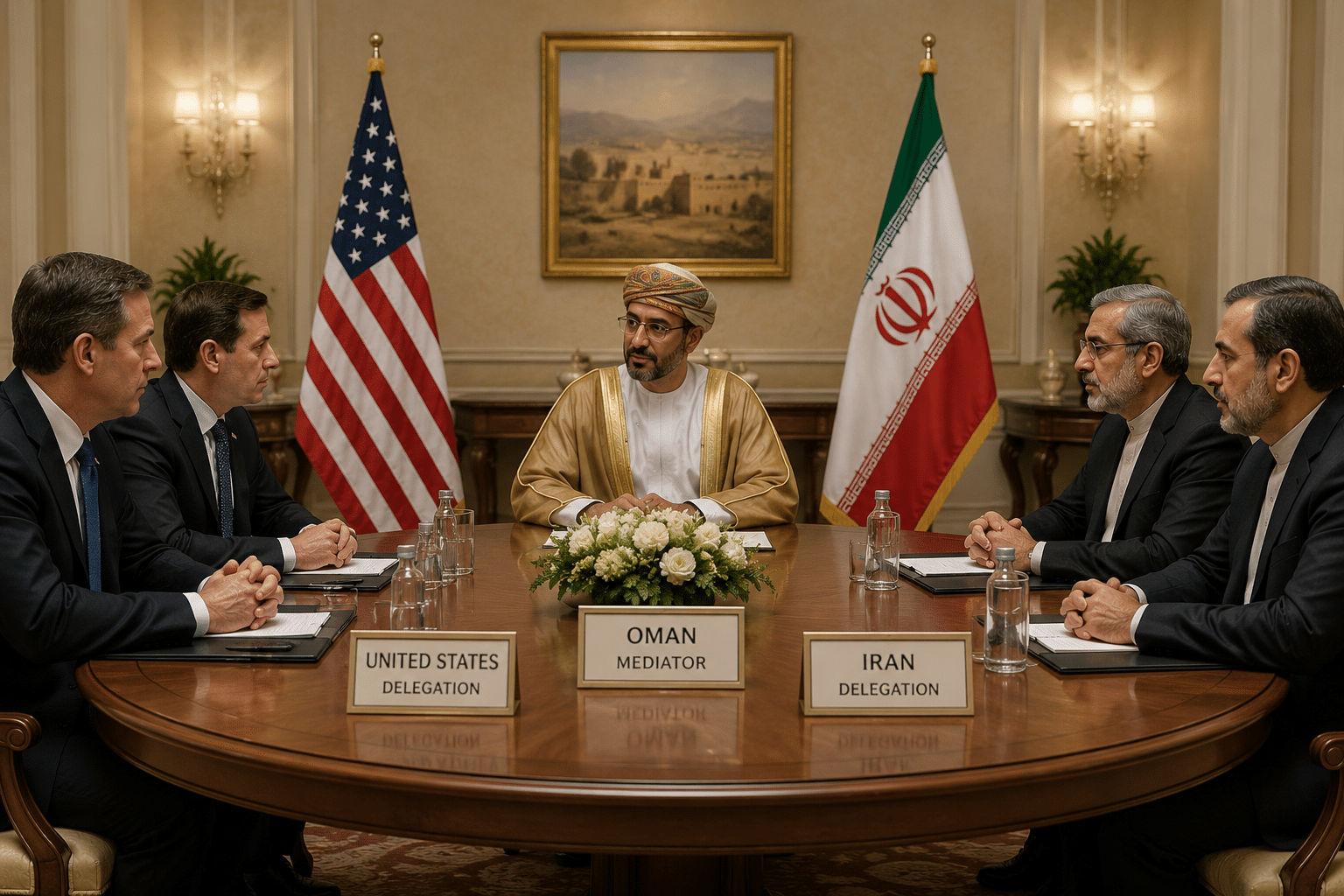
The US opposes Oman maintaining relations with Iran and wants Muscat to pick a side in the conflict. Omani neutrality has allowed Muscat to act as a mediator in the region.
The Wall Street Journal reported on Monday that American and Arab officials said the White House views Oman’s neutrality as a threat. Oman’s position on Iran has become a major issue during the war.
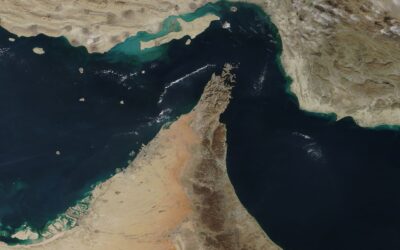
In response to the US and Israeli surprise attack, Iran seized control of the Strait of Hormuz. The Strait, which is 21 miles at its narrowest point, sits between Oman and Iran. Tehran says that going forward, the waterway will be jointly controlled by Tehran and Muscat.
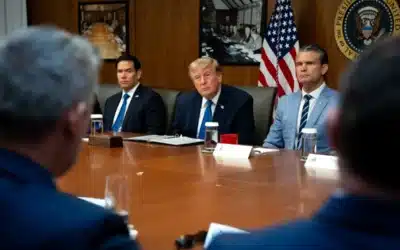
Last month, President Donald Trump threatened to bomb Oman if Muscat agreed to participate in Tehran’s management of the Strait. Secretary of the Treasury Scott Bessent doubled down on Trump’s remarks, saying the US would impose sanctions on Oman.
When the Wall Street Journal asked the White House for a comment on the story, the administration referred the outlet to Trump’s threat to bomb Iran.
Officials said that Washington became distrustful of Muscat after the Omani Foreign Minister said a deal between the US and Iran on the nuclear issues was possible. Outlets have reported that US negotiators misunderstood and rejected a proposal from Iran that included major concessions.
As Oman maintains relations with most countries in the region, Muscat has served as a mediator to end or prevent conflicts. Omani diplomats attempted to broker an end to the Saudi war against Yemen. Additionally, Muscat mediated talks between the US and Iran in an attempt to divert the ongoing war.
Arab officials said Oman’s neutrality enabled backchannel negotiations with Iran, allowing flights to resume amid the war. Omani Information Minister Abdulla Al-Harrasi said Muscat’s role as a mediator was important for the region. “In a volatile region, responsible leadership means keeping channels of communication open and preventing tensions from escalating into conflict,” he explained.