

Yemen’s ruling Ansar Allah said it conducted a large-scale attack on several military sites in Saudi Arabia.
“Our armed forces have detected large-scale Saudi military mobilizations in their final stages, aimed at escalating against the liberated provinces and the Yemeni people to deter them from their stance on ending the unjust siege,” Ansar Allah military spokesman Yahya Saree said on Thursday.
Our armed forces have carried out a broad and qualitative military operation targeting the Saudi enemy’s mobilizations…using a large number of ballistic missiles and drones,” Saree explained. He went on to claim the strikes resulted in the “killing and wounding of hundreds of the Saudi enemy’s mercenaries.”
Last month, Ansar Allah announced a blockade of Saudi-linked shipping through the Strait in response to Saudi attacks on the airport in Sanaa. Fighting between Saudi Arabia and Yemen has escalated over the past week, with Ansar Allah striking several Saudi energy facilities.
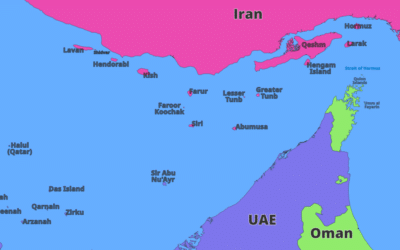
The Bab al-Mandab Strait and Saudi’s Red Sea ports have become critical due to the war against Iran. In response to the US and Israeli war, Iran closed the Strait of Hormuz and has hit energy facilities around the Persian Gulf.
Ansar Allah, or the Houthis, have fought multiple wars against US allies since seizing power in Yemen in 2014. In 2014, Ansar Allah seized the capital city and took control over most populated regions in Yemen. Initially, the US worked with Ansar Allah to target Al-Qaeda in the Arabian Peninsula. However, Saudi Arabia viewed Ansar Allah’s control of Yemen as problematic. Riyadh formed a government-in-exile, which it attempted to install in power with a mass bombing campaign, a blockade, and by backing militias opposed to Ansar Allah.
The Barack Obama administration elected to support Saudi’s war to alleviate Riyadh’s concerns over the Iran Nuclear Deal. The war killed hundreds of thousands of people, caused a cholera epidemic, and the blockade resulted in widespread malnutrition among children.
During the war, Ansar Allah developed missile and drone capabilities that were able to cause significant damage to Saudi Arabia’s energy infrastructure. While Riyadh and Sanaa agreed to a ceasefire in 2022, they have not reached an agreement to end the war.
In response to the Israeli genocide in Gaza, Ansar Allah closed the Bab al-Mandab Strait to Israeli shipping in 2023. Israel attempted a bombing campaign to break the blockade, but it failed. Additionally, both Presidents Joe Biden and Donald Trump ordered large-scale strikes on Yemen, leading Ansar Allah to expand the blockade to include American-linked vessels.
Last year, Trump agreed to a ceasefire with Ansar Allah after a Yemeni missile nearly hit an American aircraft carrier. While that truce resulted in Yemen lifting its blockade on American ships, it continued to prevent Israeli ships from transiting the Strait until Tel Aviv and Hamas agreed to a ceasefire in October.