A near miss by millimeters, a sniper who waited, and a teenager’s digital footprint that should have set off alarms—our conversation with investigative reporter Ken Silva digs into the attempted assassinations against Donald Trump, the shooting of Charlie Kirk, and the enduring mystery of the January 6 pipe bombs. We trace what the investigations missed, where the public record contradicts official lines, and how secrecy fuels the very conspiracies authorities claim to fight.
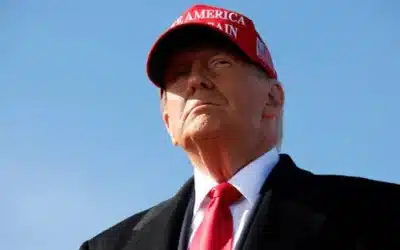
We start with Butler: the rooftop angle outside a tight 150‑yard perimeter, the lack of snipers on a usable roof, and a timeline that shows a local officer interrupting the barrage before the final shot. Ken walks through newly surfaced Google account data tied to Thomas Crooks, revealing a pivot from pro‑Trump postings to violent fantasies during COVID—material that raises an uncomfortable question: how did nobody in law enforcement catch this? We also examine the autopsy and toxicology gaps that keep open basic questions about the shooter’s state of mind.
From there, we move to the Charlie Kirk case. The alleged shooter, Tyler Robinson, reportedly confessed to his father, but controversy remains over ballistics, surveillance footage that hasn’t been released, and gag orders that limit public scrutiny. The vantage point appears so precise that it implies prior scouting or help. When critical records stay sealed, speculation thrives. Ken outlines what evidence would close those loops without compromising a fair trial.
Finally, we revisit the January 6 pipe bombs: conflicting timelines, a Secret Service sweep that didn’t prevent a device from being found near the DNC while Kamala Harris was present, and the operational effect of drawing resources at the worst possible moment. Gait analysis claiming to out the suspect may intrigue, but it’s not enough to name a culprit. The common thread across all three stories is the need for disciplined transparency—release the timelines, the raw footage, the forensics—and the courage to admit when procedures failed.
If this kind of clear‑eyed scrutiny matters to you, follow the show, share this episode with a friend who wants facts over noise, and leave a review with the one question you want answered next. Your feedback shapes where we dig next.
Podcast: Play in new window | Download