
I Attended a Marxist University and Became a Capitalist! (w/ Brad Polumbo)

by | May 29, 2022

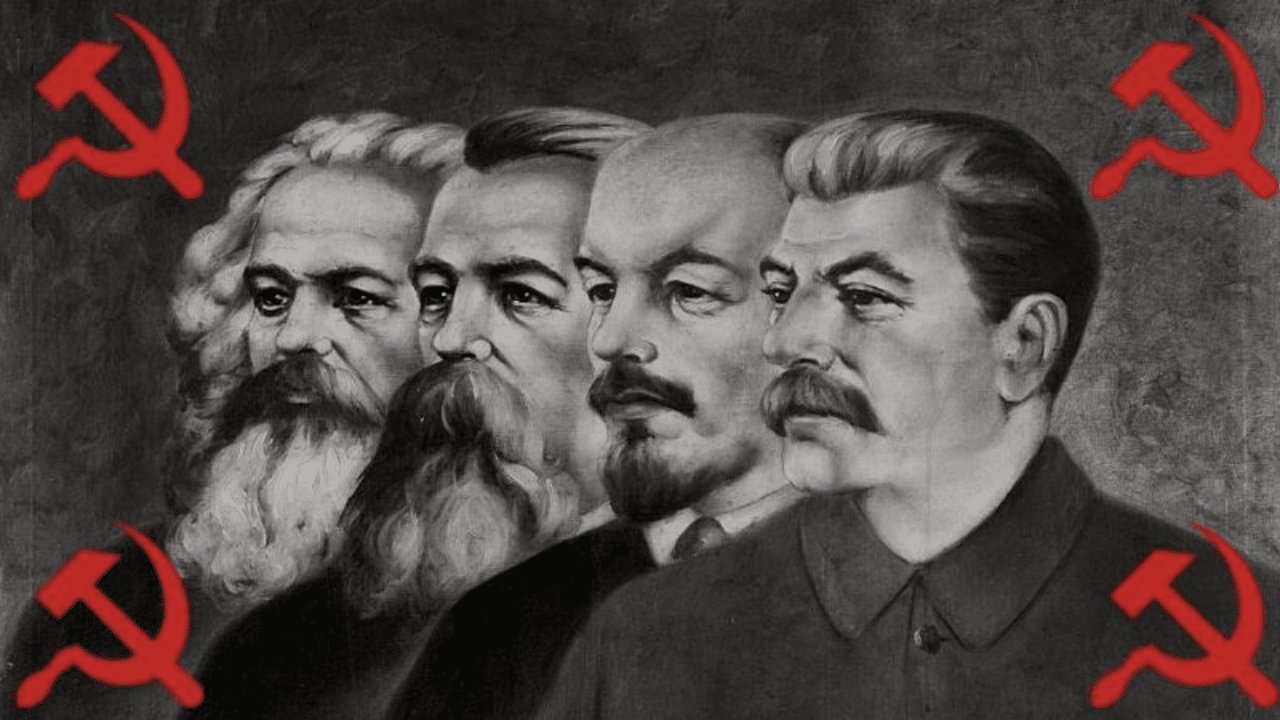
To the extent that the years between the end of World War II and today are a story of competing economic visions, the short version is this: Karl Marx was wrong, and Milton Friedman was right. Market-oriented reforms over the past several decades have cut severe poverty around the world by more than half. As late as 1980, more than 40% of the world’s population lived in severe poverty, according to World Bank figures. Now, that share is less than 10%. There is simply nothing else in the history of the material affairs of the world that can compare to that.

– Kevin Williamson

Brad Polumbo is a libertarian-conservative journalist, policy correspondent at the Foundation for Economic Education, and co-founder of Based Politics.

Watch Based Politics w/ Brad Polumbo and Hannah Cox here

BitChute

Flote

Archive

Spotify

Keith Knight

Keith Knight

Keith Knight is Managing Editor at the Libertarian Institute, host of the Don't Tread on Anyone podcast and editor of The Voluntaryist Handbook: A Collection of Essays, Excerpts, and Quotes.

View all posts

Our Books

Shop books published by the Libertarian Institute.

Podcasts

scotthortonshow logosq

coi banner sq2@0.5x

liberty weekly thumbnail

Don't Tread on Anyone Logo

313x0w (1)

313x0w (1)

313x0w (1)

Our Books

Recent Articles

Recent

Scott Horton Debunks Dick Cheney’s Lies

Scott Horton Debunks Dick Cheney’s Lies

https://youtu.be/e4qYxilAIR8 “First, we should recognize that institutions such as states show a natural aggressiveness. The explanation is very simple. If you have to fund your own aggressive ventures yourself, out of your own pocket, that will somewhat curtail your...

read more
The Catholic Case for Capitalism

The Catholic Case for Capitalism

https://youtu.be/qxykDSLaGiQ The characteristic mark of big business is mass production for the satisfaction of the needs of the masses. Under capitalism the workers themselves, directly or indirectly, are the main consumers of all those things that the factories are...

read more

Pin It on Pinterest

Share This