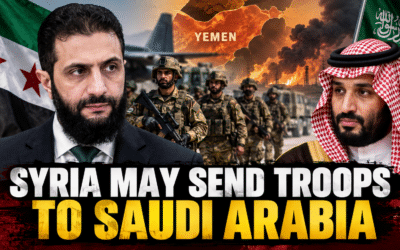

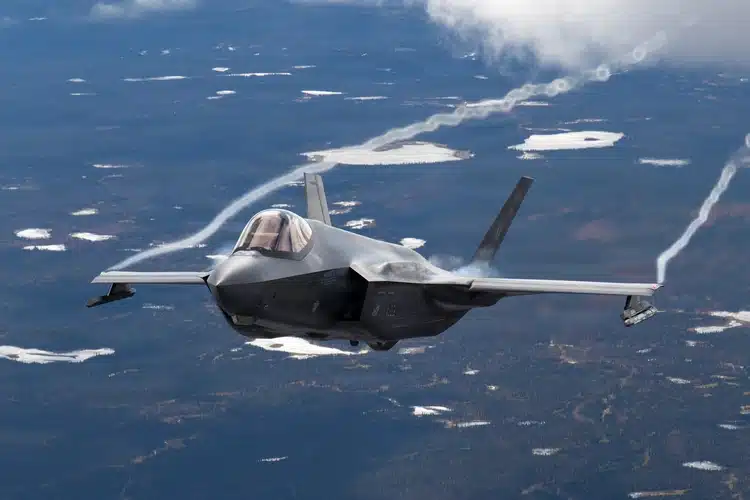
The State Department approved a $24.3 billion sale of F-35s to Saudi Arabia. The announcement comes as the Gulf kingdom is requesting military assistance from its allies as it fights a war against Ansar Allah in Yemen.
The sale includes 48 F-35s and 49 engines (48 equipped with one spare), cryptographic equipment, electronic warfare support, training and logistics packages, according to the notification to Congress. The proposed sale is now subject to congressional review, although Congress rarely succeeds in blocking major arms sales.
Lockheed Martin Aeronautics Company and Pratt & Whitney Military Engines are the primary contractors on the deal. The State Department statement says, “The proposed sale of this equipment and support will not alter the military balance in the region.”
However, Israel has previously objected to sales of F-35s to Gulf states and Turkey, arguing that it upsets the balance of power in the Middle East. Tel Aviv often invokes Washington’s policy of ensuring that Israel maintains a Qualitative Military Edge over other countries in the region. The F-35 is the most advanced aircraft in the Israeli fleet.
The State Department announced the sale a day after Ansar Allah claimed to have downed a Saudi F-15 over Yemen. Yemen’s SABA news agency on Wednesday published what it said were photos of a US-made Saudi F-15SA fighter jet that was shot down by Ansar Allah over the Yemeni province of Marib.
In addition to attacking Saudi-backed forces in Yemen, Ansar Allah has targeted military and energy facilities in Saudi Arabia. The kingdom has also come under fire from Iran and militants in Iraq. Last week, a drone launched from Iraq hit Saudi’s East-West pipeline.
On Wednesday, the AP reported that Saudi Arabia had reached out to France, Britain, Pakistan and Egypt for more air defenses. While the US is Saudi Arabia’s main weapons supplier, one regional official told the AP that Riyadh reached out to other allies because US interceptor stockpiles have dwindled during the war against Iran.
One regional official told the outlet that the current priority is to give diplomacy a chance rather than launch a collective military response.
Earlier this week, President Donald Trump rejected a request from Riyadh to conduct direct strikes against Ansar Allah, and only agreed to provide the kingdom with intelligence.
Saudi Arabia has received rhetorical support from Pakistan. Pakistani Defense Minister Khawaja Asif said Islamabad would “fulfill our duty” under its mutual defense pact with Saudi Arabia, although Pakistani officials told the AP that Islamabad had not received a Saudi request for support in response to the fighting with Ansar Allah.