
The war in the Middle East keeps getting worse for President Donald Trump.
The campaign to defeat Iran and establish a new order in the Middle East that left Tehran’s allies marginalized has imploded spectacularly.
Not only is Iran still fighting, but it has also shown that the United States cannot destroy its deep reserves of missiles and drones. Additionally, Tehran has gained control over the Strait of Hormuz.
‘Don’t worry,’ politicians and war hawks told Americans, ‘Trump has a winning strategy.’ They argued that the Iranian economy and the Strait of Hormuz really weren’t all that important to the global oil market.
They claimed that the “panicans” were alarming their fellow Americans over nothing. ‘Sure, oil can’t get through the Strait of Hormuz, but Saudi Arabia can pump the oil to the Red Sea via its East-West pipeline.’
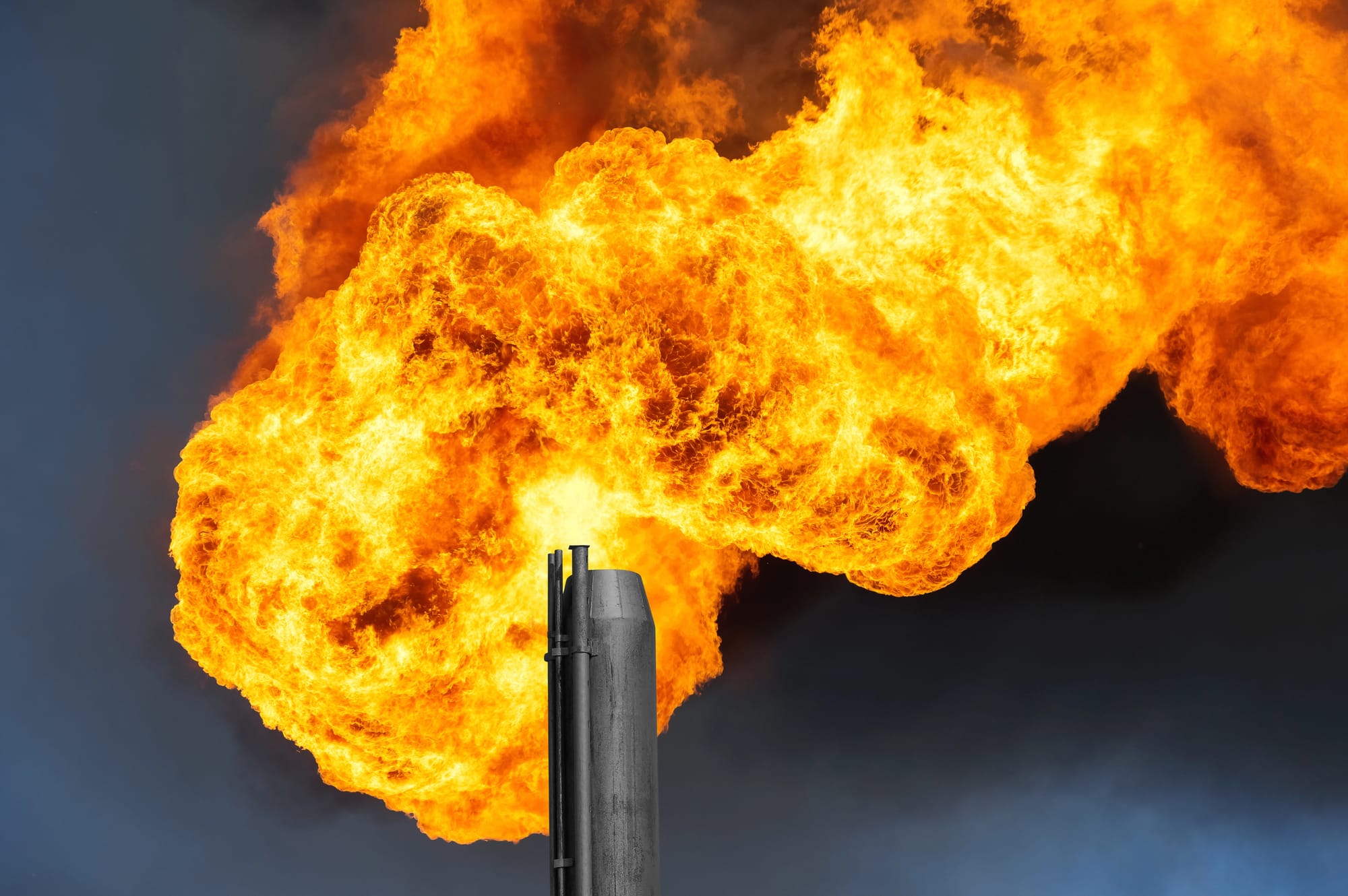
However, that plan literally went up in smoke last week.
In July, Saudi Arabia twice attacked the Sanaa Airport. Up to that time, Ansar Allah, the ruling faction in Yemen, had largely remained on the sidelines of the American and Israeli war against Iran despite the ties between Sanaa and Tehran.
Ansar Allah determined the attacks on the capital city to be intolerable and resumed its war with Saudi Arabia. That war began in 2015, with Saudi Arabia leading a coalition of Gulf Arab states in a bombing campaign against Ansar Allah while it backed Yemeni fighters, including al-Qaeda, on the ground.
Despite an overwhelming technological and financial advantage, Saudi Arabia, backed by the U.S. and UAE, Ansar Allah was able to fight the coalition to a draw. In 2022, after killing hundreds of thousands of people in Yemen, Saudi Arabia agreed to a ceasefire with Ansar Allah.
The truce largely held for four years until Riyadh restarted its attacks on Sanaa, and the renewed war has not gone well for Saudi Arabia. On the ground in Yemen, Ansar Allah forces have made rapid gains against the Saudi-backed forces, including seizing Mokha and several islands last week.
The gains give Ansar Allah far more control over the Bab el-Mandeb Strait. The waterway has become a vital shipping lane with the Strait of Hormuz closed by Iran and blocked by the United States.
Even worse for Saudi Arabia, missiles and drones fired from Yemen have caused significant damage to the kingdom’s oil facilities. To add insult to injury, Riyadh’s East-West pipeline was attacked and shut down over the weekend. Saudi Arabia and Iraq say the drones were launched from Iraqi territory, but no group has claimed responsibility for the attack.
The pipeline will be shutdown for three to five weeks for repair. Riyadh had to halt exports from its Red Sea port because the pipeline is no longer delivering oil. The attacks on Saudi’s energy infrastructure have pushed the price of Brent crude closer to $110 per barrel.
The shutdown of the pipeline may be a bigger issue for Donald Trump. His current strategy relies on getting enough oil on the world market to keep gas prices from skyrocketing while also not negotiating an end to the war against Iran.
Before the pipeline was hit, it carried about four million barrels per day, about 4% of global oil supply from Saudi Arabia’s Persian Gulf coast to a Red Sea port every day.
With the pipeline out of service, oil prices are climbing. Brent crude closed trading last week at nearly $105 per barrel.
The war between Yemen and Saudi Arabia is a massive own goal for Trump and his Middle East lackey Mohammed bin Salman.
Rather than attempting to keep Ansar Allah on the sidelines of the Middle East conflict, unnecessary strikes on Sanaa woke a sleeping dragon. That dragon has set fire to Saudi oil infrastructure and, most importantly, Trump’s current strategy against Iran.