

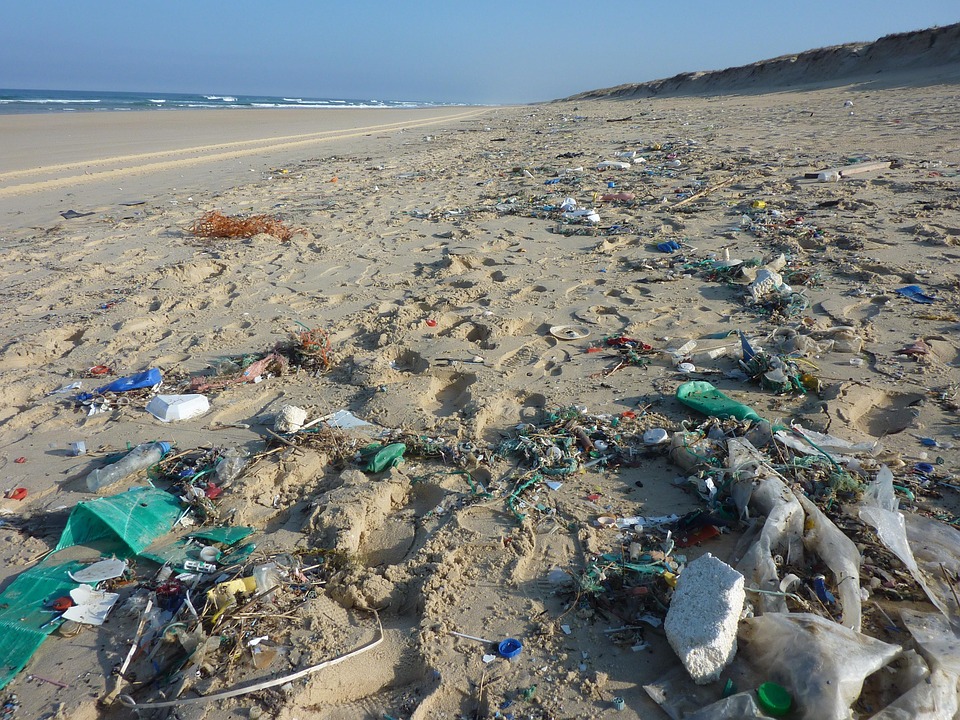
According to Science magazine, about 8 million metric tons of land-based plastic, including plastic straws, ends up in the world’s oceans each year. This is equivalent to five grocery bags of plastic on every foot of coastline around the world. More than a quarter of ocean plastic likely originates from only 10 rivers, eight of them in Asia. Marine life is vulnerable to the health risks posed by plastic debris.
The majority of ocean plastic ends up in gyres, systems of circular ocean currents. The largest gyre is home to the Great Pacific Garbage Patch, an area estimated by some to be three times the size of California, located halfway between Hawaii and California in the Pacific Ocean.
Conventional methods of cleaning the ocean are prohibitively slow and costly. But a new venture launched from Alameda allows nature to do the legwork.
Ocean Cleanup is a nonprofit group founded in 2013 by Dutch inventor Boyan Slat, 18 years old at the time. The venture is backed by Salesforce CEO Marc Benioff and PayPal co-founder Peter Thiel, among others, and funded mainly with private contributions, including a crowdfunding campaign. The scientists’ concept is simple but ingenious.