
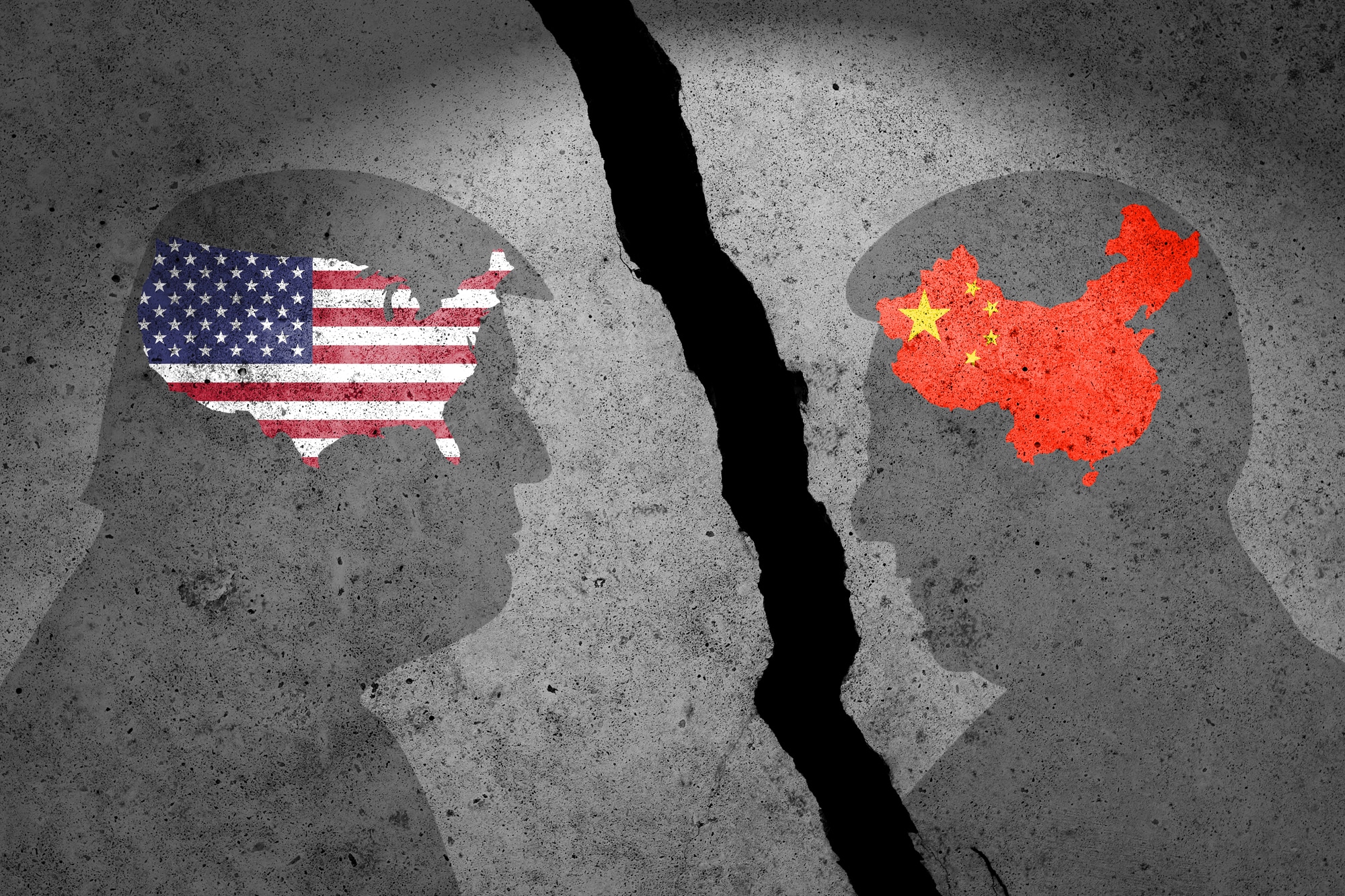
President Donald Trump’s recent two-day summit in Beijing with Chinese President Xi Jinping concluded much as anticipated. In an article written ahead of the trip, I noted that expectations for substantive breakthroughs in the fraught Sino-American relationship were likely to be disappointed. The events of the visit bore this out. While the tone was notably, and welcomely, warmer than in recent years and both sides touted “fantastic trade deals,” the core structural tensions—trade imbalances, technology restrictions, Taiwan, and regional security—remain largely unaddressed. What emerged was a return to the familiar pattern of high-level diplomacy: symbolic gestures, agricultural and aerospace purchase commitments, and rhetorical emphasis on stability, without resolving the deeper dynamics that drive instability.
The visit, Trump’s first to China since 2017, featured the expected pomp: grand welcomes, a state banquet, tours of significant sites, and meetings at Zhongnanhai. Trump was accompanied by a delegation of U.S. business leaders, underscoring the commercial focus. Over the two days, discussions covered trade, energy purchases, Boeing aircraft orders, and broader geopolitical topics including Iran and Taiwan. Trump emerged praising the meetings as “incredible” and claiming significant progress, including Chinese commitments to buy American oil, hundreds of Boeing jets, and substantial agricultural products.
These announcements have a distinctly déjà vu quality. During Trump’s first term and even earlier phases of U.S.-China engagement, Beijing repeatedly signaled or agreed to ramp up purchases of U.S. farm goods, energy, and aircraft as goodwill gestures during summits. Such deals often serve immediate political needs vt decreasing tension and providing positive headlines. However, implementation has historically been uneven, subject to market conditions, domestic Chinese priorities, and the overall state of bilateral ties. In any case, even were they carried out in full they would do nothing to fundamentally alter the structural trade deficit or reshape global supply chains.
Probably the most welcome aspect of the meeting was the warmer atmosphere, especially after years of escalating rhetoric and tit-for-tat measures. Yet it is less the product of newfound strategic alignment than of Washington’s partial retreat from its regularly more confrontational posture. Indeed, the shift in tone from Washington’s side has been evident since last year when Beijing demonstrated its leverage, notably through restrictions and dominance in rare earth minerals and critical materials. Trump’s emphasis on deal-making and personal rapport with Xi, including talk of a “G2” framework for global issues, reflects a pragmatic recognition that sustained pressure has not yielded the hoped-for transformation in Chinese behavior or global standing.
In classic Washington style, despite a decade of efforts beginning in Trump’s first administration—tariffs, export controls, investment restrictions, and alliance-building aimed at containing China’s rise—Beijing finds itself in a stronger global economic and geostrategic position than ever. China has diversified markets, advanced indigenous technological capabilities, and deepened ties across the Global South. Its manufacturing dominance and control over key supply chains have proven resilient. U.S. attempts at suppression have incurred costs on both sides, including higher prices for American consumers and businesses, while accelerating China’s push for self-reliance. China’s growth model, meanwhile, while facing its own challenges—demographics, debt, and productivity—has not collapsed under external pressure. Instead, it has adapted.
For its part, Beijing is likely gratified by the peer status implicitly accorded through the high-profile visit and Trump’s G2 references. Such framing echoes earlier Obama-era overtures, which China also viewed with caution. China has consistently rejected formal condominium arrangements that might imply shared global management responsibilities, particularly those involving military intervention or ideological promotion abroad. Beijing’s foreign policy remains fundamentally non-interventionist in character, focused on sovereignty, economic connectivity, and avoiding the overextension that has strained American resources and credibility. Chinese leaders point to U.S. interventions in the Middle East and elsewhere as cautionary tales: costly adventures that weakened the intervener domestically and eroded its international standing without delivering lasting stability.
This divergence in strategic culture is unlikely to disappear. China shows no appetite for becoming a global policeman or partner in a U.S.-led order. It prefers a multipolar world where states pursue their own developmental paths free from external ideological conditioning. The summit’s emphasis on bilateral trade and investment forums, rather than grand geopolitical bargains, aligns more closely with this preference.
None of this is to suggest the Sino-American relationship is moving into more risk-free waters. Major issues persist: the status of Taiwan, freedom of navigation claims in the South China Sea, technology competition, and third-party dynamics like Iran. These could still escalate into trade wars or, worse, military confrontation if mishandled. A purely transactional approach has limits when vital interests are involved. Yet the alternative is far worse: sustained ideological confrontation and economic warfare that have demonstrably failed to achieve Washington’s objectives while raising the specter of unnecessary conflict.
Looking forward, there is room for cautious optimism. A more stable Sino-American relationship, grounded in realism rather than threat inflation, serves the interests of both peoples and global prosperity. Peace between Washington and Beijing is not only possible but essential; the two largest economies are too intertwined, and the potential costs of conflict too catastrophic, for any other course to make sense. Mutual respect for core interests, expanded commercial ties, and mechanisms to manage disagreements can lower temperatures and create space for constructive engagement.
Trump’s visit, for all its familiar limitations, represents one such step. By prioritizing deals over decoupling and dialogue over demonization, it opens a modest window for de-escalation. Whether this leads to a genuinely more predictable and peaceful bilateral dynamic will depend on follow-through in both capitals: resisting domestic hawks, focusing on tangible mutual gains, and recognizing that great power competition need not mean zero-sum hostility. In a world of genuine multipolarity, pragmatic coexistence is not weakness; it is wisdom.