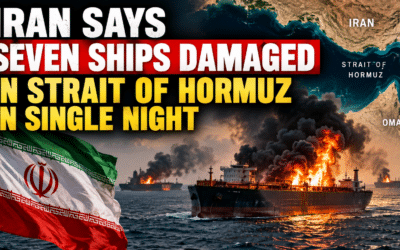

Shipping traffic through the Strait of Hormuz remains at a minimum as President Donald Trump claims the crucial waterway is open.
The tracking agency Kpler reported on Tuesday that 32 ships transited the Strait between Friday and Monday, including just six on Sunday. 17 of the vessels used Iranian-approved shipping lanes, with only 11 using the Omani side of the waterway.
“Traffic through the Strait of Hormuz remained subdued over the past week and weakened further into the weekend,” Kpler posted to X on Tuesday. “From 7 to 9 August, confirmed crossings fell from 15 on Friday to 11 on Saturday and just six on Sunday, bringing the three-day total to 32.”
President Trump has repeatedly claimed that the Strait of Hormuz is open and under the control of the US. “The only one that has control of the Strait of Hormuz right now is the United States Navy. We have a blockade that’s been infallible — it’s a steel wall,” he said on Monday. “We control the Strait, 100%.”
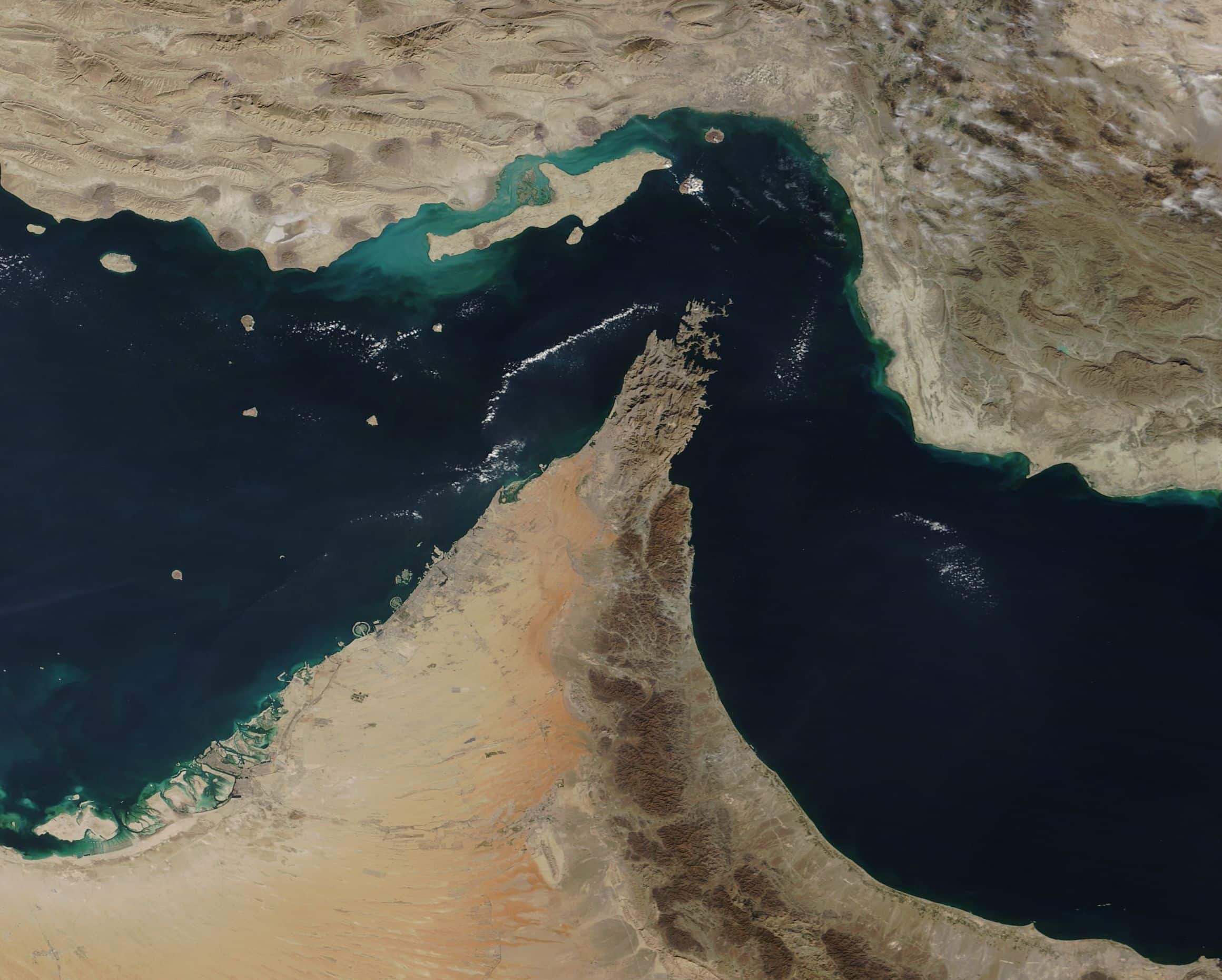
The Strait of Hormuz was treated as an international waterway before the US and Israel started an aggressive war against Iran earlier this year. The Strait was the main export route for Persian Gulf oil. About a fifth of the world’s oil transited the waterway before the war.
During the war, Iran seized control of the Strait and limited shipping traffic to vessels from neutral and friendly nations that follow Tehran’s protocols. Iran is negotiating with Oman to establish a new agency for regulating traffic through the Strait.
Washington is demanding that Tehran return the Strait to its pre-war status. Iranian officials say Tehran will never allow the waterway to operate without Iranian oversight.
On Tuesday, an Iranian official stated that Tehran will not allow the Strait to reopen until Washington complies with its demands. “As long as America does not change its behavior and does not accept Iran’s conditions, the Strait of Hormuz will not be opened,” Mohsen Rezaei, a close ally of Supreme Leader Ayatollah Mojtaba Khamenei, said. “America must end the war, pay Iran’s frozen assets, the war must end throughout the region, including in Lebanon and Gaza.”