
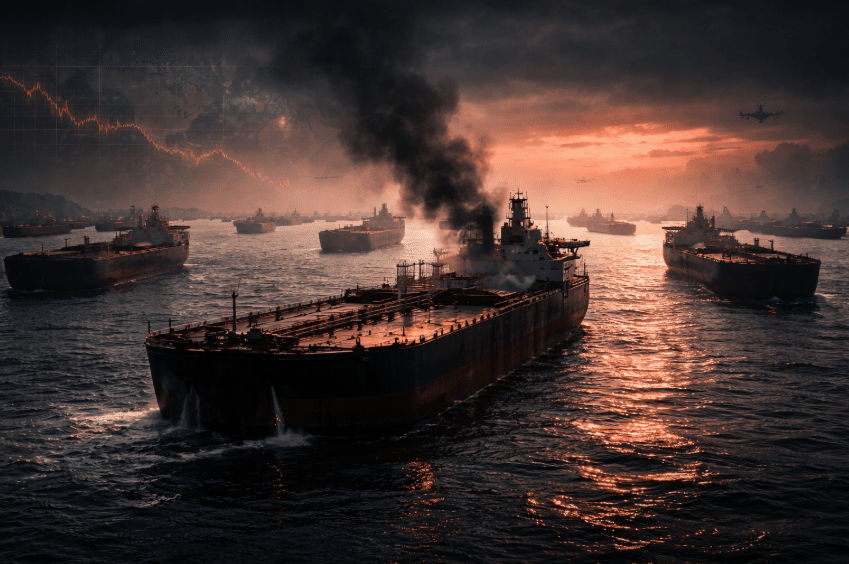
International Energy Agency (IEA) Executive Director Fatih Birol said on Monday that the world is facing a massive energy crisis caused by the war against Iran.
Birol argued that the current energy crunch is worse than those of the 1970s and the impact of Russia’s 2022 invasion of Ukraine combined. “This crisis, as things stand, is now two oil crises and one gas crash put all together,” he said. “The global economy is facing a major, major threat today, and I very much hope that this issue will be resolved as soon as possible.”
The price of oil has climbed in the four weeks since President Donald Trump and Prime Minister Benjamin Netanyahu launched a surprise attack on Iran. Tehran responded by restricting shipping through the Strait of Hormuz.
The war escalated after Israel attacked Iranian energy infrastructure. Tehran then unleashed drones and missiles at oil facilities across the region.
The White House has employed several strategies to keep the price of oil from increasing too rapidly, including suspending the Jones Act, lifting sanctions on Russia, Iran, and Venezuela, and releasing oil from the US strategic reserves.
The price of WTI Crude oil has increased from $65 to $90 dollars per barrel since the start of the conflict. The price of oil dipped on Monday after Trump said the US and Iran were engaged in negotiations.
The President also said the US would not strike Iranian energy sites for five days.
Birol argued that world leaders have yet to understand the extent of the damage to global energy markets caused by the war against Iran. “I thought the depth of the problem was not well appreciated by the decision-makers around the world,” he said. “No country will be immune to the effects of this crisis if it continues to go in this direction. So there is a need for global efforts.”
Even if the conflict were to end rapidly, the economic consequences will be felt for years. Last week, QatarEnergy’s CEO Saad al-Kaabi told Reuters that two of Qatar’s 14 LNG trains and one of its two gas-to-liquids (GTL) facilities were damaged. Kaabi said the repairs will take 12.8 million tons per year of LNG off the market for three to five years.
Additionally, Shell’s Pearl gas-to-liquids facility in Qatar was damaged and will take at least a year to repair. Pearl is the largest plant in the world that turns gas into liquid petroleum products, and it cost Shell $20 billion to build.
A spike in oil prices could be a political disaster for President Trump. The war against Iran is already unpopular with Americans. If gas prices increase further, more Americans will likely see the price of the war as too high.