
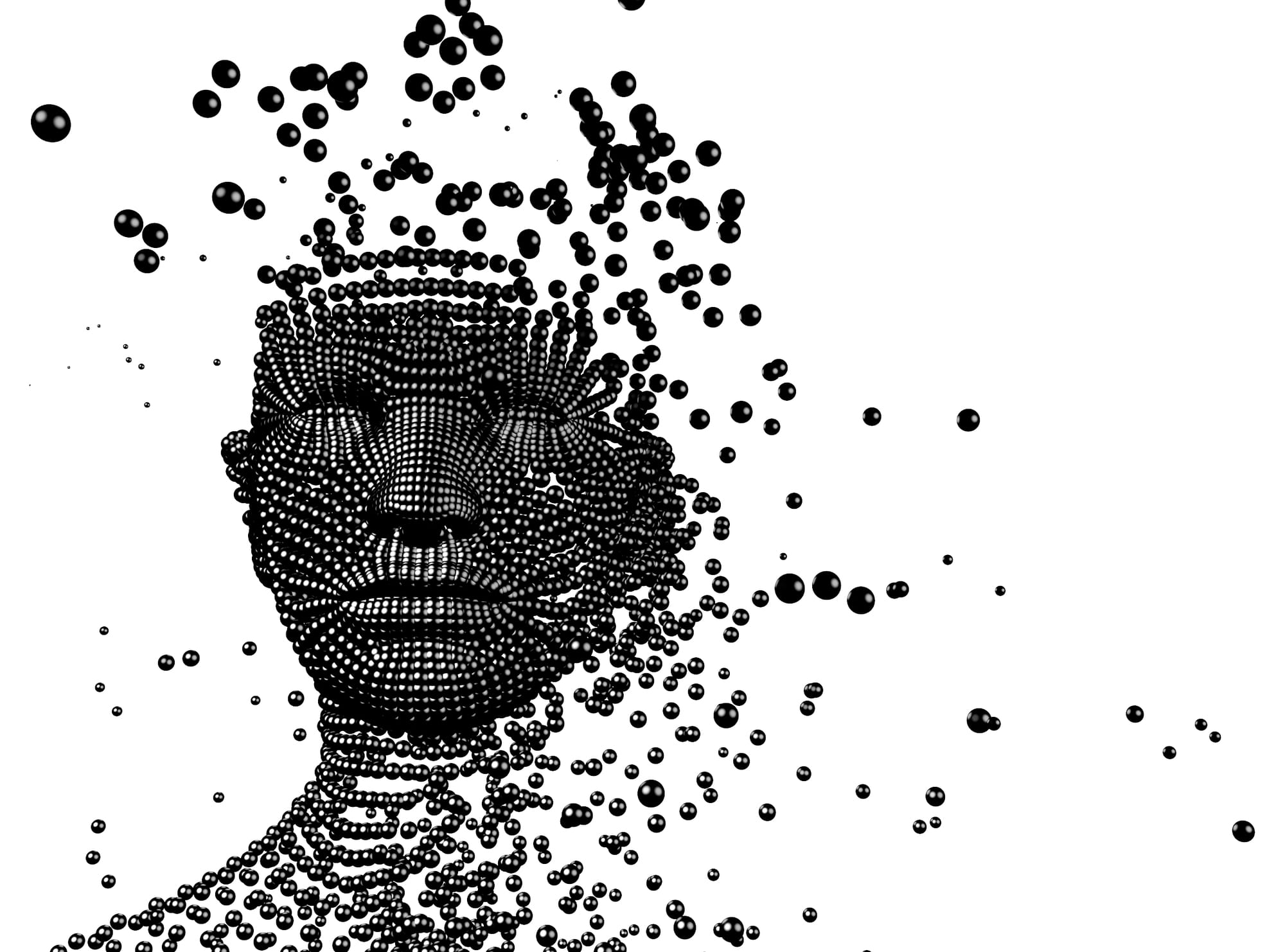
Advances in what is often depicted as AI (artifical inteligence) have been immense, from the clumsy animation of Will Smith gorging on spaghetti, to the photo realistic images of unreal personalities, to the short clips promising to change cinema. Social media has become saturated with obvious and deceptive slop which confuses factual news reporting along with engagement farming. However, it’s LLM’s (Large Language Models) which human users have been “chatting” with and giving the impression of a “real” entity. Various forms of Agentic AI and other LLM’s have become a staple for individuals to converse with and ask for life advice, twisting what at best could have been considered an entertaining distraction into a companion some are unable to live without.
Social media and our relationship to the digital realm inside our screens has twisted the real world into a filtered and inhuman perception. Influencers and content creators who falsify their image turn humans with imperfections into streamlined products for a cultivated audience, with particular aesthetics and quality they are now accustomed to.
In turn, LLM’s and these versions of AI all seek to duplicate the human experience or perspective through devious means of humanizing machines. LLM’s are expected to provide prose filled with flowery and grandiose language, its software chatting in a way the human being on the other end feels flattered and ingratiated towards. This cognitive bias can both affirm pre-established beliefs while also satiating the human ego to the point of addiction and dependency.
Exposure to short form content has also harmed attention spans and the ability to think critically or ruminate on longer forms of media. With AI now attached to most search engines to provide summations, this has harmed websites and the human ability to search and find. While convenient, it also has led to over simplification of information on otherwise complex subject matter.
Mathematic and resource limitations mean some forms of AI will never achieve artificial general intelligence or artificial super intelligence, but in time possible development could occur with other forms of AI machine learning or neuro-networks. Today, machines are at best attempting to duplicate human expression whose “self-awareness” is an advanced deception. The human desire to believe there is a ghost in the machine, let along life inside of inanimate objects, is not new. The belief of living technology is a seduction that afflicts humans in many cultures, whether through ignorance such as the “Cargo cults” or those who believe that AI is either an alien life form or already living.
As AI becomes more sociable in its interactions, parts of our population are becoming further isolated, whether from societal constraints or a breakdown of interpersonal communities. In Japan, where “shut-ins” are becoming more numerous, people’s relationship with “smart technology” is being twisted into a dependency cycle. Even with casual use of software like ChatGPT, it’s been shown that individuals lose the ability to think and retain information. This same phenonemon occurred with early search engines, when people would “Google” an inquiry without thinking or investigating via other means. Convenience and the vast readiness of information has in turn “switched” our brains off as they’re no longer required to do what was once necessary.
Whether through a loss of spacial awareness as we become overreliant on GPS, or a loss of executive authority as our outsource daily clothing decisions to AI, the surrender of human autonomy has wider philosophical and psychological implications that will only become more apparent as more people grow dependent on smart technology and alternative lifestyles are eliminated. We must ask whether any of this is improving us, either as individuals or as a society, or is this dependency leading us to worse health results in both body and mind.
With a decline in real world social interactions, some individuals may experience a self-imposed or geographical isolation where even romantic and sexual relationships will develop with machines. At present, these are viewed as anomalies, but with improvements to hardware and software, the convincing nature of smart companions will become mainstream and lend itself to a further decline in a person’s ability to understand themselves and others.
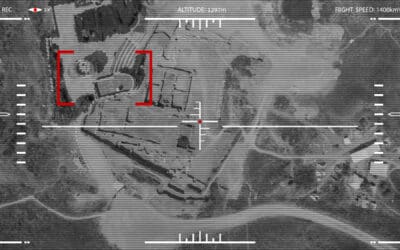
The real concern regarding AI and Big Tech is their disregard for their supposed consumer base. While individual users may receive the technology, the real beneficiaries will be governments who will use the technology for war and censorship, and other large companies who will collect everyone’s valuable data.
Whatever past cyberpunk depictions we imagined, today privacy and individual rights are radical and archaic notions, even child-like. From the numerous cameras around us, to the drones and satellites over our heads, to the digital devices in our hands and pockets that spy on us in some form or another, we are under constant observation. And as AI enhances and improves these methods of recording with cynical perfection, software will create specific models and patterns of behavior for each and every one of us. Technology will “know” individuals through their online patterns and real world actions in the hope of predicting what happens next.
In conjunction with the ease of which such software can fabricate information, anything digital will in time be unbelievable unless it comes from an authority which in turn has its own self interests. It will prove to be the worst form of gate keeping, a lop-sided relationship whereby authority and power controls what is real and unreal. Most people may never know the difference.
Without delving into a philosophical tract, Pandora’s box has already been opened. It’s difficult enough for each succeeding generation to relate to what the previous one did or took for granted. And in no other period of human history has the distance between generations and technology been as vast or as apparent. Where once older generations offered knowledge and experience in the form of wisdom, they’re so disconnected that their role has been replaced by influencers and seemingly living machines to try and explain the human experience with very inhuman “minds.”
The distant future is both frightful and promising. Inevitably, dissidents and guerilla thinking has and will emerge. It shouldn’t be forgotten that much of our modern tech is an inheritence of the “hacker” spirit which was originally infused with libertarian and anarchist overtones. It’s only in the past decade that tech companies have abandoned that disdain for central planing. Perhaps we should remain optimistic that despite present pattersn and forecasts, what lies beyond may be a feral wilderness for human and machine alike.