
10 YEAR ANNIVERSARY
Independent. Anti-War. Unbought.

An Officer’s Path to Dissent

by | Mar 7, 2019

An Officer’s Path to Dissent

by | Mar 7, 2019

For a while there, I was a real star. High up in my class at West Point, tough combat deployments in two wars, a slew of glowing evaluations, even a teaching assignment back at the military academy. I inhabited a universe most only dream of: praised, patted and highly respected by everyone in my life system and viewed as a brave American soldier. It’s a safe, sensible spot. For most, that’s enough. Too bad it was all bunk. Absurdity incarnate.

The truth is, I fought for next to nothing, for a country that, in recent conflicts, has made the world a deadlier, more chaotic place. Even back in 2011—or even 2006, for that matter—I was just smart and just sensitive enough to know that, to feel it viscerally.

Still, the decision to publicly dissent is a tough one. It’s by no means easy. Easy would be to go on playing hero and accepting adulation while staying between the lines. Play it safe, stick to your own, make everyone proud. That’s easy, intellectually immature—the new American way.


Read the rest at truthdig.com.

Danny Sjursen

Danny Sjursen is a retired US Army officer and regular contributor to Antiwar.com. His work has appeared in the LA Times, The Nation, Huff Post, The Hill, Salon, Truthdig, Tom Dispatch, among other publications. He served combat tours with reconnaissance units in Iraq and Afghanistan and later taught history at his alma mater, West Point. He is the author of a memoir and critical analysis of the Iraq War, Ghostriders of Baghdad: Soldiers, Civilians, and the Myth of the Surge. Follow him on Twitter at @SkepticalVet.

View all posts

Recent Articles

Recent

War Is A Policy, Not An Inevitability

War Is A Policy, Not An Inevitability

One of the most persistent myths about war is that it is sometimes inevitable. States are carried along by the impersonal forces of history: the balance of power, alliance commitments, ideological antagonisms, the rise and decline of great powers, et cetera. Leaders...

read more
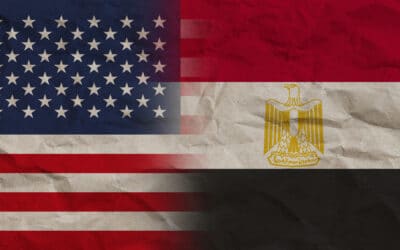
How America Got Its Hands on Egypt

How America Got Its Hands on Egypt

After Hosni Mubarak became president of Egypt in 1981, his government maintained a close relationship with the United States. Over the following decades, the U.S. Agency for International Development (USAID) would become increasingly involved in reforming Egypt's...

read more
A Western Civ Speech Only A Neocon Could Love

A Western Civ Speech Only A Neocon Could Love

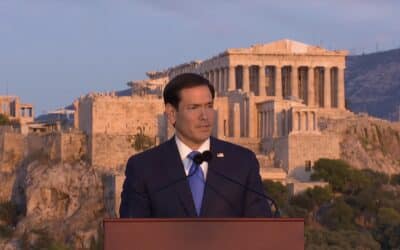
When one of my acquaintances expressed his enthusiasm for Secretary of State Marco Rubio’s October 7 speech from the Acropolis in Athens, Greece—seeing it as the de facto launching of a presidential campaign—I thought to watch the talk in its entirety. It was worth...

read more

Pin It on Pinterest

Share This