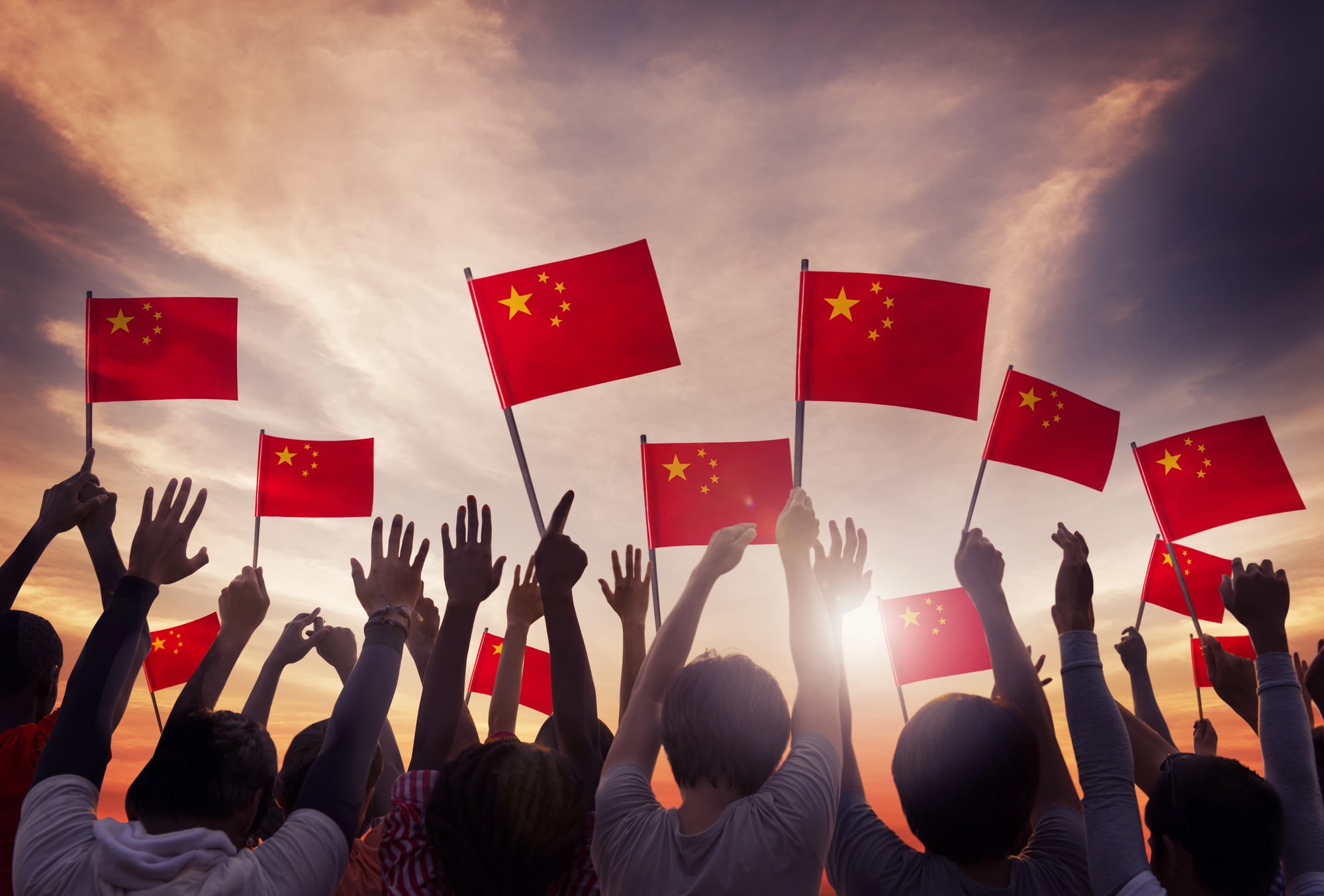
The same campaign that’s reportedly weakening Iran is also indirectly strengthening China’s economic and strategic position in the Middle East. Israel and the United States’ efforts to eliminate the late Ayatollah’s counterparts have widened a lane for China to exert more influence and regional leadership on the diplomatic and economic front.
The Saudi-Turkey-Pakistan pact, for example, reflects China’s vocal support for allied Middle East countries to take the lead on their own regional security. The possibility for shared training and industrial cooperation with China is not impossible, given Pakistan’s long-term imports of Chinese equipment. Recently, Saudi Arabia also hosted China at a high-level meeting with the Gulf Cooperation Council, which included many traditional U.S. ally countries in the region. As the war is prolonged, external confidence in American influence abroad is decreasing as both enemies and ally countries explore their options with China. Washington is so focused on Tehran that it’s depleting its own resources, while China is steadily accruing power even without direct confrontation with the United States.
Sustained military operations since Operation Midnight Hammer last June have consumed American munitions, along with military and naval bandwidth—all finite resources. The first two days of Midnight Hammer alone cost the Pentagon $5.6 billion, with an estimate of $30 billion by mid-2026. Additionally, soldiers who were diverted to the Middle East as a result of this war are not readily available for other possible escalations, such as a Taiwan takeover in the Indo-Pacific or a wider war with Ukraine after more Russian strikes in Donetsk.
Though China imports more than 40% of its oil through the Strait of Hormuz, the drama surrounding the waterway has gradually given it an energy market advantage. The strait’s recent tenure as a critical flashpoint delivered higher shipping and insurance costs for American and European consumers, while China transmuted its losses into a diversified energy supply, technically making it a more stable economic partner while the West drowns in uncertainty. Its own supply of crude oil would last over one hundred days with zero imports, while its supply lines strategically run through Russia, Central Asia, and even non-Gulf countries.
Beijing’s ability to turn the disruption into opportunity helped increase demand for its manufacturing and clean-energy infrastructure from its expanding portfolio of economic and diplomatic partners. If anything, the Strait of Hormuz crisis has uncovered American dependency on global chokepoints, which brings its own dwindling influence back in focus.
The Trump administration argues that the Iran War is necessary, but it’s a perfect distraction from other crucial issues. The increased attention and resources poured into the conflict also gives China a free case study on American wartime strategy. The Chinese Communist Party has a front row seat into our military vulnerabilities, capabilities, and strategic decision-making, without ever becoming a primary target. American partners have already expressed concern about the prospects for success in Iran, and those concerns are only growing as the war drags on.
A tactical victory in Iran, as Secretary of War Pete Hegseth has repeatedly proclaimed, is not the same as a strategic one. Though President Donald Trump repeatedly assures the world of an imminent win, the bombing campaign in Iran has handed China greater relative leverage in its hemisphere. Even top U.S. military officials have reportedly warned Hegseth that dragging out the war is unsustainable, and compromises military ability to respond efficiently in other parts of the world. Furthermore, negative sentiment towards President Trump and the United States since the start of this war is steadily increasing both domestically and globally, while China gains leverage with American allies and Middle East countries alike.
The question should not simply be about whether the United States will win its war with Iran, but about whether the American standing against China was strengthened or weakened in the process. A foreign policy that prioritizes hegemony in the Middle East while losing our allies to China and depleting the supplies needed for future deterrence is not a strategic victory and should be revisited.