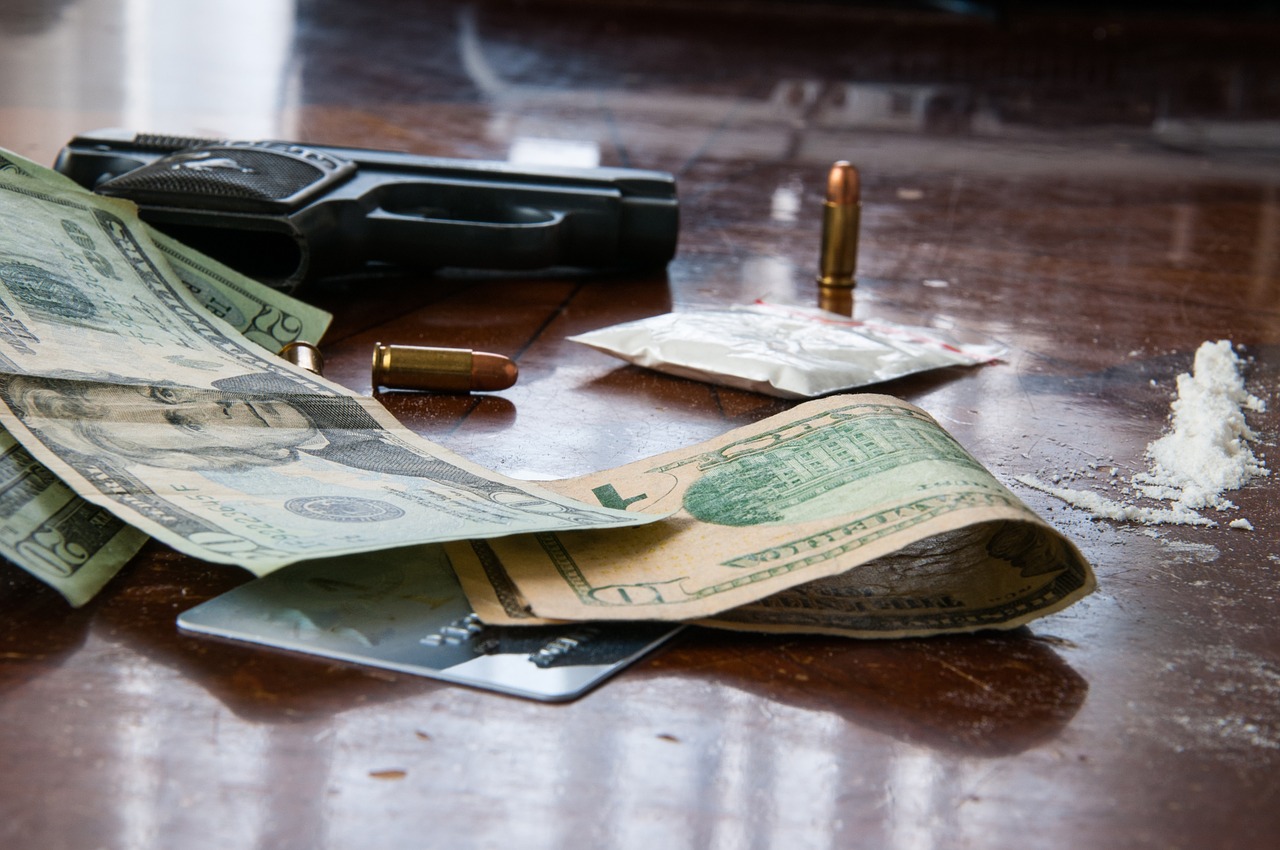
Ever since President Richard Nixon declared war on drugs in the 1970s, advocates of this government program, both conservative and liberal, have argued that the only reason why the U.S. government has failed to win the drug war is that government officials have failed to fight it sufficiently hard. If U.S. officials would really crack down, the argument goes, the decades-long war could finally — finally! — be declared over and done with.
In their unwavering support of this failed government program, however, what these people fail to consider is that as U.S. officials have met with increasing failure to win their drug war over the decades, they have cracked down ever more in the hope that they could finally win it.
That’s what mandatory-minimum sentences were all about. Send enough drug users and drug dealers to jail for 10-20-30 years to serve as examples, and everyone else would immediately stop consuming or distributing drugs.
It didn’t work.
That’s what asset-forfeiture laws were all about. If the cops were free to seize money from people without charging them with a crime, drug dealers would stop selling drugs for fear of having their money taken away from them.
It didn’t work.
U.S. officials went beyond U.S. borders and cracked down fiercely on drug cartels in Latin America and even extradited Latin American drug lords to the United States. Breaking up a drug cartel and sending its leaders to U.S. jails for the rest of their lives would mean that no one else would dare start another drug cartel.
It didn’t work.
They persuaded Mexico and other Latin American countries to deploy their militaries and the U.S. military against drug gangs. With the military serving as police, no one would dare to violate drug laws.
It didn’t work.
None of it has worked. Nonetheless, drug warriors continue to argue, “If only they would really crack down, then we could finally declare victory in the war on drugs and bring this federal program to an end.”
That’s why Philippine President Rodrigo Duterte has become a hero for U.S. drug warriors. Although Duterte denies it, the evidence is overwhelmingly that after he took office in 2016, Philippine cops began shooting suspected drug-law violators, both consumers and dealers, on sight. The number of extrajudicial killings are estimated to be in the thousands.
No trials. No pesky criminal-defense lawyers. No search warrants. No arrest warrants. No indictments. No due process of law. Just shoot them on sight.
It’s hard to conjure up a better way to crack down in the war on drugs than that!
Yesterday, the Manila Times reported, “President Rodrigo Duterte has admitted that his administration’s drug war “failed” and was actually ‘worsening.’”
So, how much more “cracking down” do drug warriors now want to do here in the United States? Even higher mandatory minimum sentences? More asset-forfeiture stealing? Deploy the military? Shoot drug users and drug dealers on sight? Maybe a total police state, like in China?
Even if it worked, is the destruction of liberty worth it? This immoral, deadly, destructive, and failed government program has gone on long enough. The only moral, just, humane, and practical solution is to end the drug war by legalizing drugs, all of them.