I am far from your typical, mainstream economist. Rather than focus on the broad aggregates that the state publishes in an effort to convince us that things are “just fine,” I choose to observe economic conditions at the most micro of levels. While my colleagues pour over numbers with initials like GDP, CPI, and PPI I prefer instead to review localized indicators through the observation of human behavior. One way I do that is to walk grocery aisles and watch how people react to prices. The result can often be odd, maybe “off-putting,” or just plain weird. But it also presents me with a better understanding of how families cope with interference by the state in order to preserve their quality of life.
To an Austrian economist, observing human action means studying how real people navigate scarcity, weigh trade-offs, and deploy higher-order capital goods over time. It is the shifting composition of these individual choices, rather than the sum of their statistical shadows, that dictates economic reality. Through the observation of choices that families make through purchases every day, and the review of those purchasing trends we can better measure the impact of the state’s interference in everyday life.
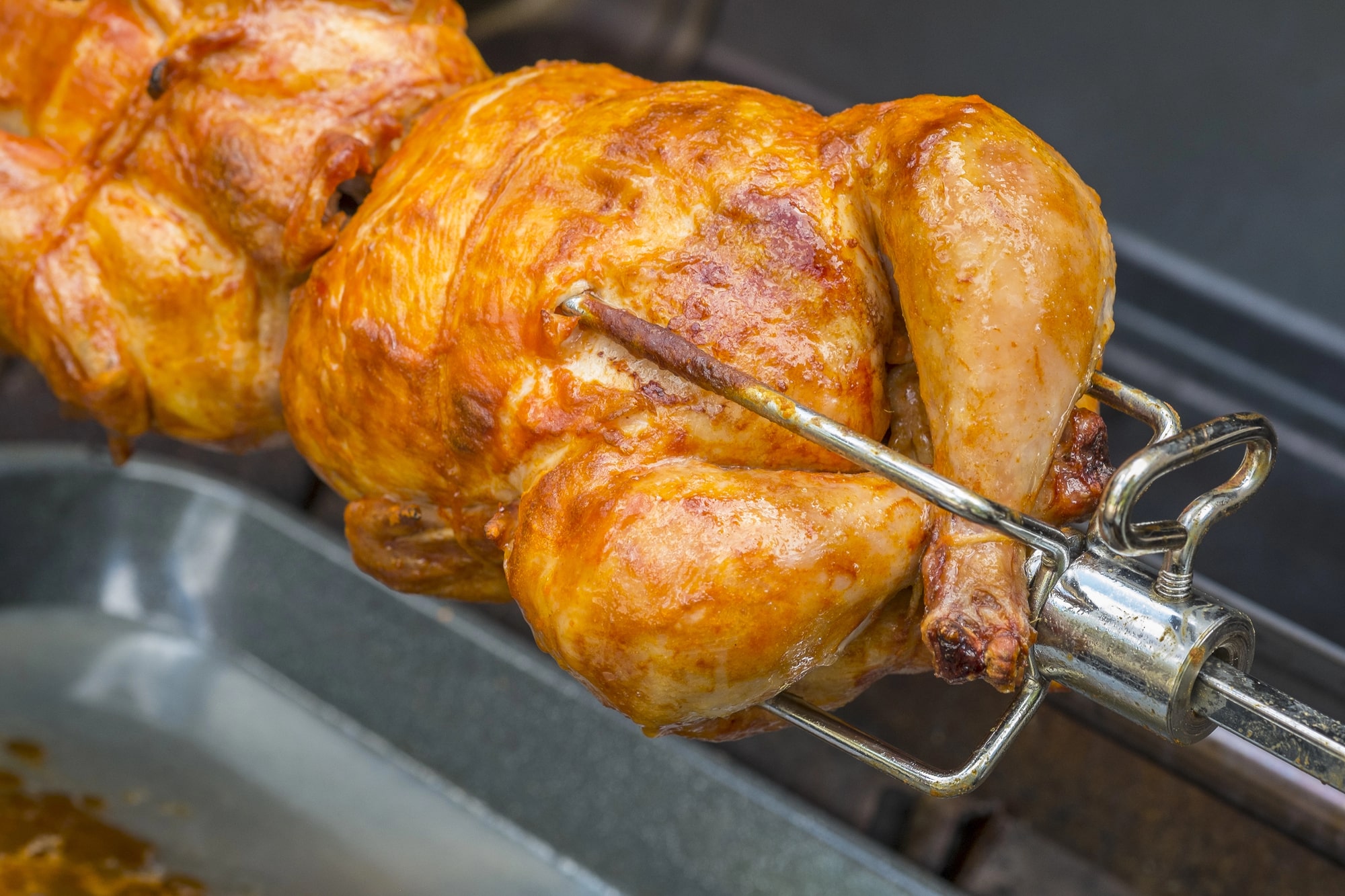
One economic indicator that I recently discovered is the growing consumer demand for “rotisserie chicken.” Lately at Costco and Sam’s Club, I have noticed crowds of people waiting as employees placed freshly cooked chickens in plastic bags. As soon as the bagged birds were placed on the shelf they were grabbed by enthusiastic consumers. Discussions with employees revealed that the demand for the chickens has been high in the past but presently demand for these roasted birds is booming.
Inflation has hit grocery bills hard over the last four years, making it incredibly difficult for middle- and lower-income families to stretch a budget. For $4.99, a family can provide a meal by buying a whole, fully cooked, three pound chicken. Pound for pound, it is one of the most efficient, nutritious, and accessible sources of lean protein available in the modern marketplace; it costs significantly less than one Big Mac while providing vastly superior nutritional value.
Costco’s business plan is so successful that through its market dominance it has forced other retailers like Sam’s Club and Walmart to offer similar products at or near the same price. Thereby, expanding the benefit of the company’s actions to a wider population.
Though I am not a culinary fan of rotisserie chicken, I see the product’s low cost presence as an efficient family defense against inflation and a pleasant experience for a beleaguered consumer. When describing my observation to a group of academics, rather than commenting on the economics of this phenomenon they angrily asked, “Do you consider the treatment of all those chickens to be fair?”
Huh?
While the Federal Reserve creates distress along Main Street, and while a coercive government seizes our assets, these people are focussed on the fact that modern, vertically integrated poultry farming is “cruel and treats the chickens with indifference.” This viewpoint mistakenly suggests that when humans build systems reliant on systematic, industrialized treatment of animals, we chip away at our own capacity for empathy and degrade our moral character.
Proponents of this view argue that a truly advanced, humane society shouldn’t tolerate unnecessary suffering as a baseline requirement for its sustenance, and that we should find ways to feed people without compromising our collective conscience. I refuse to agree that there is a collective conscience and I fail to see any logic in their argument.
It is incredibly easy to advocate for higher moral standards and free-range pastures when your bank account allows you to comfortably choose the $25 air-chilled, organic bird at a boutique grocery store. For a family, who partially as a result of the state’s interference in the marketplace, is living paycheck to paycheck that choice doesn’t exist. From that pragmatic viewpoint, lecturing people about the “moral degradation” of buying a $4.99 chicken isn’t just out of touch—it is both elitist and ignorant of the economic suffering inflicted on nearly half of the population.
Ultimately, we cannot truly know the subjective internal experience of a chicken. Claiming you know exactly how a chicken feels is pure projection. You’re just taking human emotions, slapping feathers on them, and calling it science. Unless you’ve spent a lifetime experiencing the world through a gizzard and a pecking order, you don’t know what that chicken is thinking—you’re just treating a farm animal like a cartoon character.
Of course their claim of understanding a chicken’s suffering coincides with their lack of knowledge about free markets. The warehouse retail chains, through innovation and investment, have stripped away the middleman costs. In Costco’s case the result is that they subsidize a staple food for over 100 million dinner tables a year. Costco is operating in their own best interest selling their chickens. It is a marketing plan to retain and attract members and increase profits. Their success with this program affects the marketplace by driving down the price of chicken at other large grocery chains and thereby benefiting more consumers. It is exactly how Adam Smith saw the free market working.
Why people need to find fault with this positive result of the marketplace is illogical. A chicken cannot negotiate a contract, and a cow cannot weigh the opportunity cost of using a pasture for grazing versus leaving it wild. Because non-human animals lack the cognitive capacity to participate in the market process or comprehend economic trade-offs, their “well-being” cannot be integrated into economic calculation except through the subjective preferences of human actors.
From a natural rights perspective, human rights are grounded in the unique capacity of individuals for rational thought, moral agency, and the exercise of self-ownership. Because animals lack this capacity to understand rights, respect contracts, or reciprocate moral obligations, they cannot possess the same political standing as human beings. While minimizing unnecessary animal suffering is a noble personal virtue, elevating animal concerns to the level of human rights invariably requires the state to further infringe upon human liberties—such as private property rights, free association, and bodily autonomy. Because animals lack a specific capacity for moral agency, they cannot recognize the rights of humans. Consequently, within the natural rights framework, animals are classified as property.
Therefore, we arrive at anthropocentrism, the belief that human well-being is the primary objective for survival and must take precedence over the well-being of non-human animals.
Ultimately, prioritizing animal welfare at the expense of human flourishing subverts the foundational principle of individual liberty, which must always remain the primary focus of moral and legal protection.
From this perspective, the math is simple and compelling. If the choice is between being “fair” to a chicken and the ability of a working-class mother to put high-quality protein on the table for her children, human dignity and survival win every single time. To argue otherwise can look like a “luxury of the affluent”—easy to preach when you aren’t the one counting pennies at the checkout counter.