

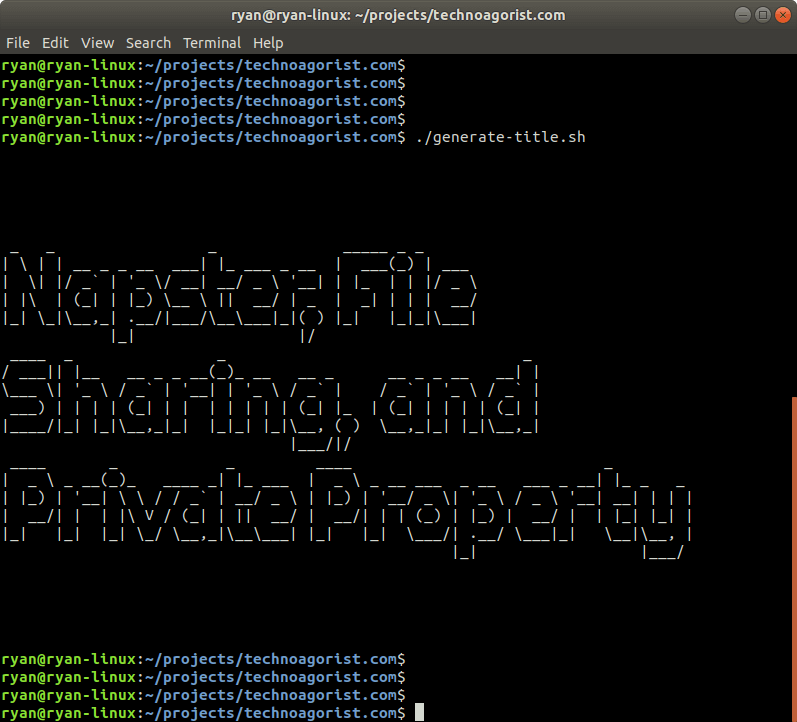
In 1999, a teenager named Shawn Fanning creating a file sharing application called Napster which took the world by storm. This application revolutionized how MP3 audio files could be shared. Anybody who was into computers at that time can remember how amazing it was to log into there and instantly find nearly any MP3 file that you wanted. One of the things that made Napster so cool was that it did not actually host the files which you downloaded using the application. Instead, Napster was a p2p or “person to person” application. When you wanted an audio file, Napster would connect your computer with another person’s computer who had that file and then your computer would download the file directly from them. Then, once you had downloaded the files, your computer would begin sharing them as well.
Some people didn’t like this. One of my favorite bands, Metallica, and their drummer, Lars Ulrich, led the charge to stop Napster. Metallica claimed that people were sharing their music and that they were being more-or-less being cheated out of potential profits.
Now, I can understand why Metallica would want people to purchase their music rather than download it from other people’s computers. I can’t fault them for being reluctant to change their profit model in the midst of changing technology. But, history is full of industries growing and changing as a result of technology. Most people prefer the status quo. It feels safe and predictable. Technology, though, is not safe and predictable. Innovation happens, new technologies appear, and people and industries then need to adjust to the new norm. Wheelwrights and the wooden-wheel-making industry used to be central to everyday life. But, when the technological landscape changed, that industry all but died out. I can understand why the wheelwrights would have preferred to continue doing what they were doing, but they eventually had to change their profit models, they had to find new ways to use their skills to make a living.
Well, the music industry did not want to change, they did not want to update their profit models in the midst of changing technology. So, they decided to use government violence to try and stop the technology. They wanted to prevent people from sharing files between their computers. But, I have to stop here and ask a question. Who owns your computer? Who owns my computer? Who has the right to decided what your hardware can and cannot be used for? Did Lars Ulrich and Metallica buy your computer? Do they own your hard drive? Do outdated record companies have more rights over your own property than you do?
Questions like this always come back to property rights, and the reality is that what you do with your property in your home is your decision and your decision alone. Your property, your choice. Our rights only extend only to our own property, despite the machinations of politicians, regressives, and luddites. Some people will always be around to pretend that they have more rights over your life and your property than you do, but an agorist doesn’t care. We do what is best for ourselves and our families. We embrace technology and don’t use violence to prop up dying profit models.
Even though the entertainment industry still has a long way to go, Napster and the people who shared files person to person ended up changing the face of entertainment. Since that time, we have seen the birth of iTunes and Spotify, Amazon, YouTube, Netflix, and countless other places where you can go to get music, movies, and other forms of entertainment on demand. Those all came about because of changing technology and a population who refused to limit themselves when better means of media consumption came along.
Don’t be like Lars Ulrich and Metallica, trying to control what others do. Instead, be an agorist and make the most of your time, energy, and property. The status quo will eventually catch up.
Originally posted at: https://technoagorist.com/3
Techno-Agorist on YouTube: https://www.youtube.com/channel/UCjWlrSuf4b4eApnFX9o82BA
Techno-Agorist on iTunes: https://podcasts.apple.com/us/podcast/techno-agorist/id1458773157
Techno-Agorist is a production of the MLGA Network. Find more great content at: https://mlganetwork.com
Podcast: Play in new window | Download