

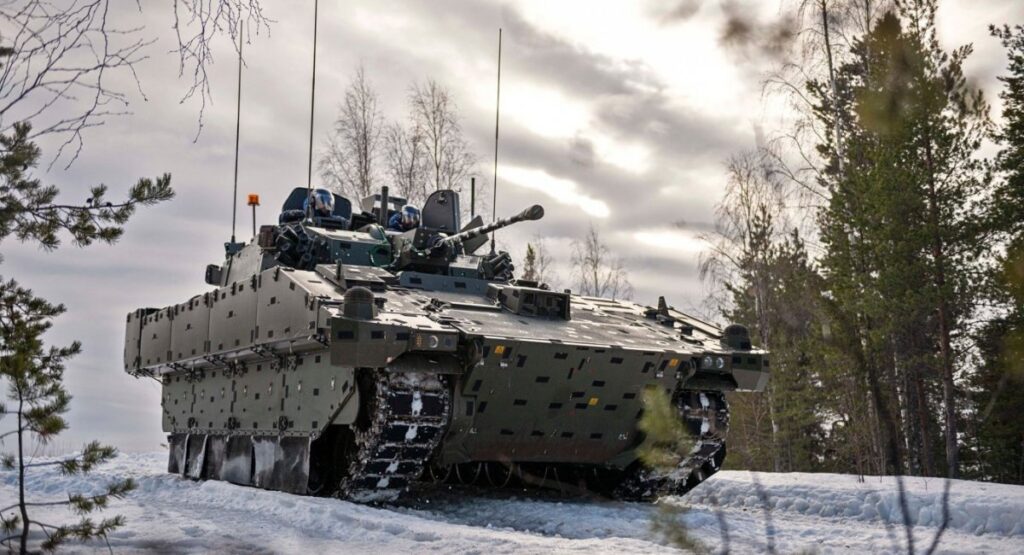
The British Army is in the same crisis mode as the Royal Navy; they’re a post-imperial military basket case that could not fight an invasion of Sports Illustrated swimsuit models. They would be defeated.
Across the board with the possible exception of the vaunted Special Air Service and the Royal Marines, the British military project is a shambles. It can’t float submarines that do the right thing, it can’t deploy its conventional-fueled aircraft carriers and it has experienced a steady decline in manpower across the board.
Per the Ajax Infantry Fighting Vehicle (IFV):
Health & Safety Issues (Vibration & Noise):
Hearing Damage: Excessive noise levels led to hearing loss and injuries in soldiers, requiring double ear protection.
Sickness & Injury: Crews experienced vomiting, disorientation, and violent shaking, with some needing long-term medical care.
Operational Limits: Restrictions were placed on speed (20 mph) and time in the vehicle (90 mins) due to vibration.
Mechanical & Design Failures:
Reversing: Inability to reverse over obstacles higher than 20cm (that’s eight inches).
Turret/Gun: Problems with the turret and gun systems.
Rear Ramp: Electronic failure and lack of a manual quick-release, taking 15 mins to open.
Power: Onboard batteries can’t support routine operation; frequent Auxiliary Power Unit (APU) breakdowns.
Fuel Tanks: Issues requiring manual fuel transfer
Not only is the Ajax IFV a loser in budgeting, it actually makes soldiers sick through excessive vibration and has the reliability of a used Yugo. As a result, the United Kingdom has effectively found itself without a tracked IFV, as the aging Warrior fleet is already being prepared for retirement.
Looking ahead, the Ajax saga highlights systemic challenges in UK defence acquisition: over-reliance on complex, bespoke systems amid budget constraints and evolving threats. While General Dynamics insists modifications since 2023—such as enhanced vibration isolators and improved cabin insulation—have mitigated risks, real-world exercises like Iron Fist expose gaps between lab tests and operational stress. For the soldiers affected, the human cost is stark; some face potential medical discharge despite ministerial claims of safety. As the UK commits £75 billion annually to defence under the 2025 Strategic Defence Review, Ajax’s fate could influence future investments, perhaps tilting toward hybrid manned-unmanned fleets inspired by Ukrainian innovations. Ultimately, restoring trust will require transparency: full disclosure of trial data, crew feedback integration, and a clear path to FOC without further bloodshed. Only then can Ajax fulfil its role as a cornerstone of British armoured reconnaissance, safeguarding troops on tomorrow’s battlefields.
I look forward to seeing the published trial data.
https://www.defensemagazine.com/article/british-mod-pauses-troubled-ajax-programme-amid-fears-of-long-term-crew-harm
Concerns also extend to other components of the IFV. The onboard battery reportedly cannot support even routine operation, while the auxiliary power unit, intended to compensate for this limitation, suffers frequent breakdowns. Consequently, troops reportedly have to carry backpack batteries even during training, significantly limiting their operational capabilities.
Fuel tanks have also reportedly failed, requiring manual fuel transfer between vehicles. In addition, water and other fluids reportedly accumulate inside hull cavities, to the point that one could literally “wash their hands” inside the vehicle. Draining these fluids then becomes a serious challenge.
This is just the tip of the iceberg of what is wrong with this unreliable and inoperable IFV.
https://en.defence-ua.com/industries/falling_apart_on_the_move_how_the_ajax_ifv_turned_into_britains_most_problematic_armored_vehicle-16806.html