
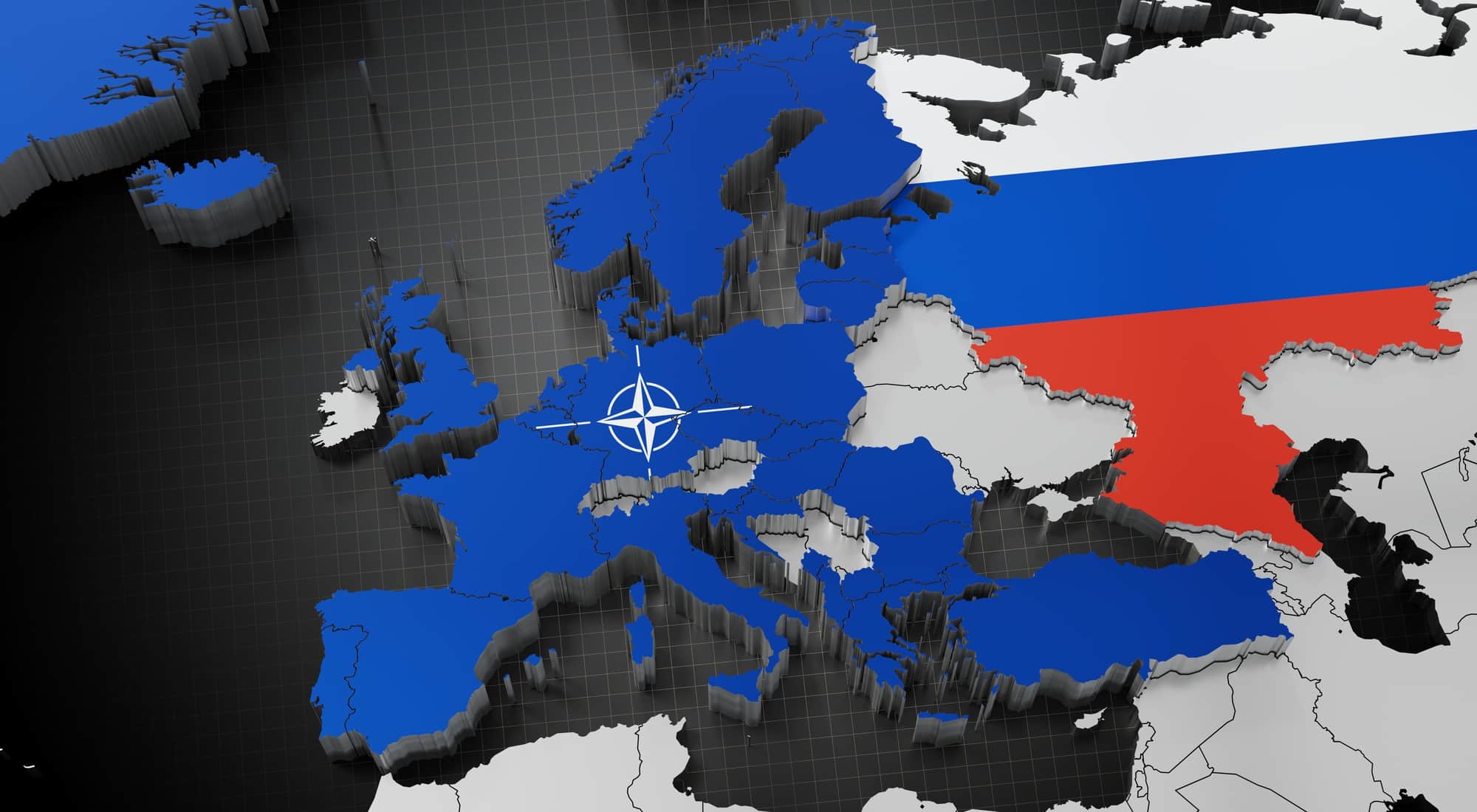
When U.S. policymakers and members of the western news media cite possible flashpoints around the world that could trigger a catastrophic war, places such as the Taiwan Strait, the Demilitarized Zone (DMZ) between North and South Korea, and multiple chronic hotspots in the Middle East immediately come to mind. However, the souring of NATO’s relations with Russia over the war in Ukraine and other issues has created dangerous potential sites of trouble on the European continent. Indeed, overall tensions in that region are at their worst point since the end of the Cold War and the dissolution of the Soviet Union in 1991.
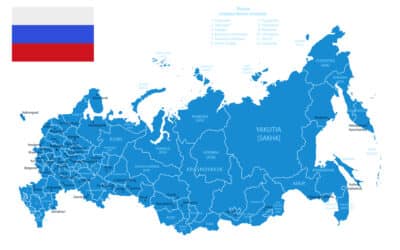
The ongoing battle zone in Ukraine between NATO’s proxies and Russian forces understandably attracts the most notice from neighboring countries and the outside world. But the most dangerous potential flashpoint for a full-scale NATO-Russia war is Kaliningrad, the Kremlin’s heavily fortified enclave on the Baltic Sea. Although Kaliningrad has an outlet to that body of water, it is otherwise hemmed in between two NATO members, Poland to the south and Lithuania to the north and east. Both Russia and NATO conduct frequent military exercises (war games) in the vicinity, and those actions invariably cause tensions to spike.
Deutsche Welle journalist Brent Goff correctly observes that Kaliningrad’s location “makes it strategically valuable to Russia, and potentially vulnerable in any direct confrontation with NATO.” However, the strategic importance to Russia may outweigh Kremlin concerns about the enclave’s vulnerability. Kaliningrad is the headquarters of the Russian Baltic Fleet and a base for Russian medium-range nuclear missiles and the country’s most modern combat aircraft.
The persistent game of strategic “chicken” reached a new level of severity at the end of September 2026. Russian President Vladimir Putin warned that his country would use all weapons at his disposal if it considers Kaliningrad to have come under direct attack. Putin insisted that Moscow was “not threatening anyone” but was merely responding to recent statements by Western leaders that NATO was preparing for war in 2029 or 2030. It was especially significant that Russian leaders seemed to adopt a broad definition of what would constitute a direct attack. Throughout the preceding week, Russian officials had accused NATO of preparing to blockade Kaliningrad, warning that Moscow would even be prepared to use nuclear weapons if the West tried to cut off the enclave from the rest of Russia.
NATO leaders typically adopt a public stance that the Russian military presence in Kaliningrad poses an ominous threat to neighboring countries. But that theory seems far-fetched. The chance of a successful military offensive outward from the enclave is decidedly less credible than a multifront attack on the enclave from its surrounding NATO neighbors. Indeed, Western officials and anti-Russia hawks in general openly tout the alliance’s superiority of military power in the immediate region.
Anatol Lieven, director of the Eurasia Program at the Quincy Institute for Responsible Statecraft, cautions that American and other NATO leaders must take Moscow’s warnings more seriously:
“President Vladimir Putin and the Russian government have stated recently that if NATO blockades Kaliningrad, Russia will respond with nuclear weapons if necessary; every member of the Russian establishment with whom I have spoken has said the same. NATO Secretary General Mark Rutte, displaying the smirking, strutting frivolity that he has made his trademark, responded that he does ’not take this seriously.’”
Rutte’s attitude is indeed frivolous and irresponsible. It also is ironic in light of numerous statements by Rutte and other Western leaders that NATO will defend “every inch” of its territory from attack. Why would those same leaders believe that Russia’s willingness to defend its territory is less intense? Even a blockade of Kaliningrad, much less a military assault, would constitute an act of war by NATO against the Russian Federation. American and European policymakers need to seek opportunities to dampen existing flashpoints and ease tensions with Moscow, not find new ways to provoke Russia.
Lieven notes, “it may seem that NATO countries could not possibly be so crazy as to run the appalling risks involved in imposing a blockade on Kaliningrad; but in fact they have twice suggested moves in this direction.” Those incidents—in 2022 and 2025—involved individual member countries, not the alliance as an entity, but the episodes still reflected a worrisome mentality.
American and NATO leaders need to ponder some important recent history and ask themselves a crucial question: would Washington and its allies have used force to hold the West’s enclave in West Berlin during the Cold War? Most knowledgeable historians believe that they would have done so despite the danger of a wider, horribly destructive war. The current crop of policy experts should assume that Putin’s government would do the same today to repel an attack on its Kaliningrad enclave that is even more central to Russia’s security and geostrategic interests.