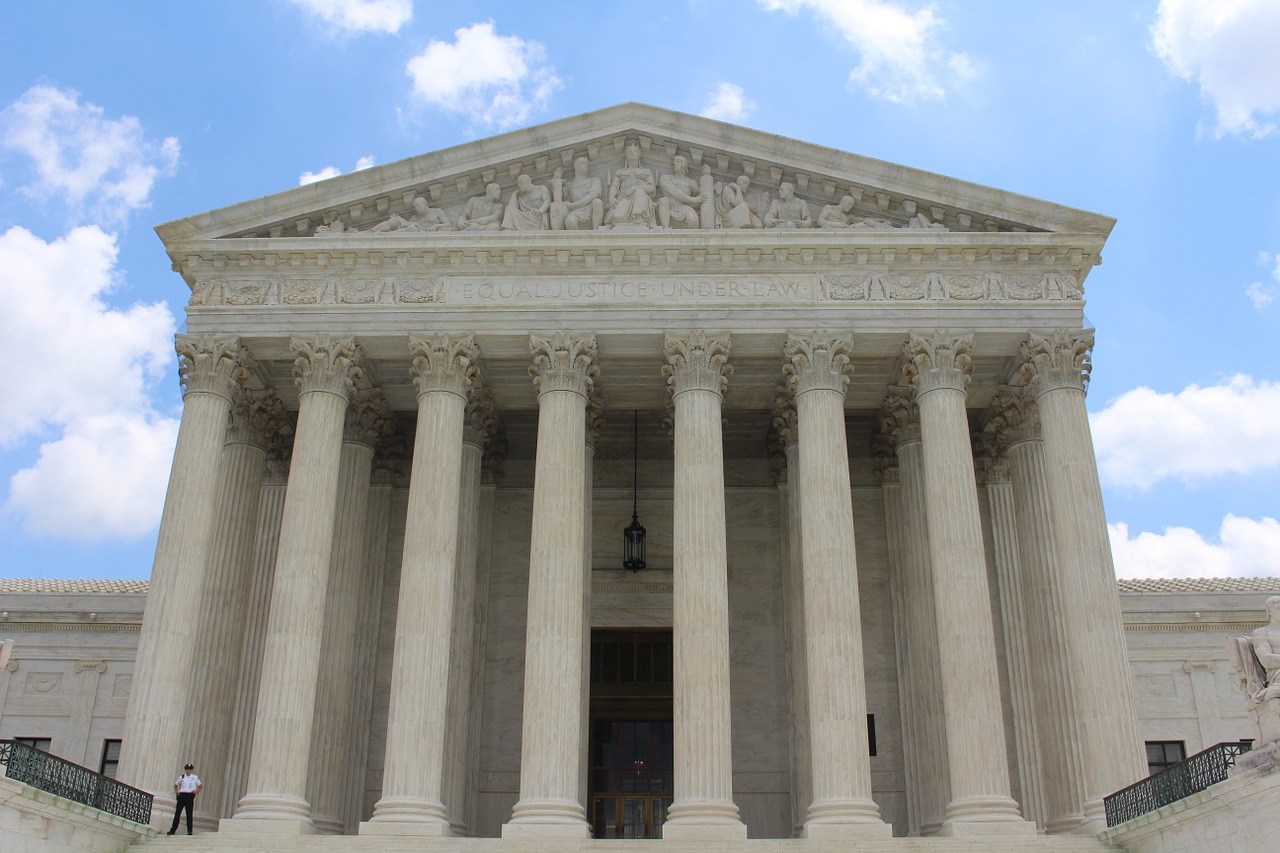
Seventy-five years ago this June, the United States Supreme Court corrected its own grave moral and legal error and ruled that the government could not compel Jehovah’s Witnesses to salute the flag and take the Pledge of Allegiance at school. Justice Jackson’s stirring words were a watershed moment in American recognition of individual liberty in the face of government demands for uniformity:
If there is any fixed star in our constitutional constellation, it is that no official, high or petty, can prescribe what shall be orthodox in politics, nationalism, religion, or other matters of opinion or force citizens to confess by word or act their faith therein. If there are any circumstances which permit an exception, they do not now occur to us.
A majority of the court thus retreated from its ignominious endorsement of thought control three years earlier:
A society which is dedicated to the preservation of these ultimate values of civilization may in self-protection utilize the educational process for inculcating those almost unconscious feelings which bind men together in a comprehending loyalty, whatever may be their lesser differences and difficulties.
These decisions came not in a vacuum, but in an era of brutal and largely forgotten persecution of Jehovah’s Witnesses in America, which I discussed in the first episode of the “Make No Law” Podcast. You could call this tyranny, but the persecution was not committed by an abstraction. The people who abused those Americans were their neighbors, their fellow citizens, their equals before the law. The men on the Supreme Court who initially endorsed — and arguably encouraged — the abuse were just men, a collection of individuals rather than icons.