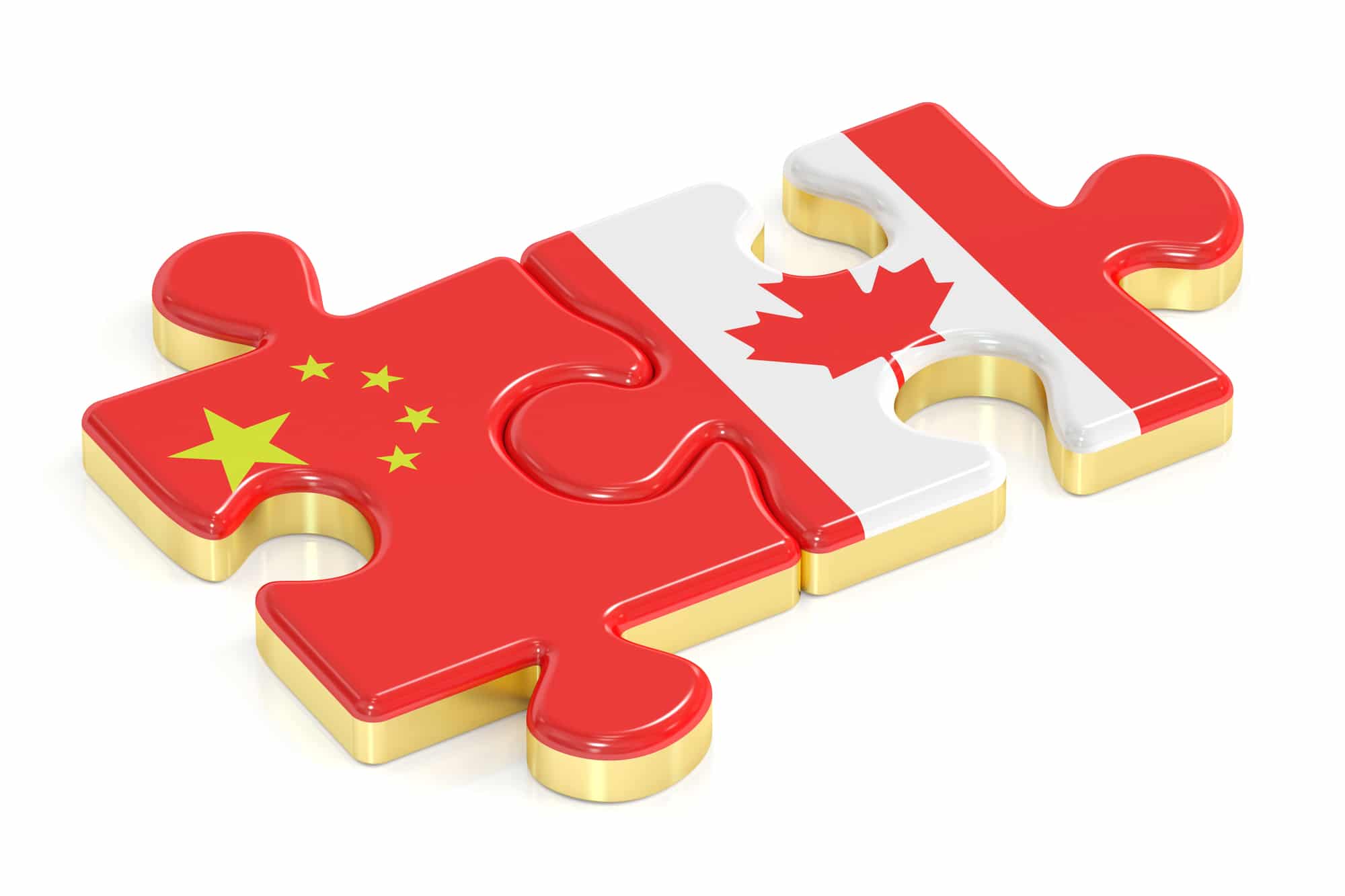
On January 16, 2026, Canadian Prime Minister Mark Carney stood beside Chinese President Xi Jinping to announce what he called a landmark agreement that fundamentally restructured trade relations between the two nations. The deal slashed tariffs on Chinese electric vehicles from 100% to 6.1% while China reduced levies on Canadian canola from 84% to approximately 15%.
But the numbers themselves tell only part of the story. This agreement represents something far more consequential: the first major fracture in North American solidarity since World War II, driven not by ideological sympathy for Beijing, but by Washington’s increasingly erratic and aggressive behavior on the world stage.
The timing could hardly be more revealing. Just days before Carney’s trip to Beijing, President Donald Trump had once again floated the idea that Canada could become America’s “51st state” while threatening devastating tariffs and largely abandoning serious trade discussions with Ottawa. For Canada, watching this spectacle unfold, a grim realization crystallized—America under Trump was no longer a reliable partner but an unpredictable bully whose word carried decreasing weight with each passing month.
This dynamic extends far beyond Trump’s bombastic rhetoric about annexing Canada. The United States has spent recent years demonstrating to the world that it operates by no rules except those of immediate self-interest. The abrupt abrogation of the Iran Nuclear Deal, negotiated painstakingly over years and involving multiple world powers, showed allies and adversaries alike that American commitments meant nothing if a new administration found them inconvenient. The unilateral imposition of sanctions on countries ranging from Venezuela to European allies doing business with Iran revealed an imperial mindset that treated sovereignty as something to be granted or revoked at American discretion. And most dramatically, the abduction of Venezuelan President Nicolás Maduro demonstrated that Washington believed it could literally kidnap foreign heads of state when it suited American purposes.
Against this backdrop, China begins to look less threatening and more stable. Beijing certainly has its own authoritarian impulses, but it has at least maintained consistency in its international commitments. As Paul Samson, president of the Center for International Governance Innovation, noted, “The two economies are complementary structurally. They complement each other: natural resources, energy, finished products. There’s an easy win-win space there for Canada and China.” He predicted the Carney government would demonstrate “the guts and the desire to do what’s in Canada’s interest” by rolling back punitive tariffs imposed under American pressure.
The agreement’s scope extends beyond immediate tariff reductions. Canada will allow an initial quota of 49,000 Chinese electric vehicles annually at the reduced rate, expanding to 70,000 over five years. Both nations committed to resuming high level economic and financial dialogues, creating formal channels for dispute resolution and investment identification. Carney emphasized that Canada plans to double its energy exports to Asia over fifteen years, targeting annual liquefied natural gas production of fifty million tons by 2030. This represents a fundamental reorientation away from overwhelming dependence on American markets.
What made the announcement particularly surreal was Trump’s response. Rather than condemning Canada for breaking ranks, Trump stated, “That’s OK. That’s what he should be doing. It’s a good thing for him to sign a trade deal. If you can get a deal with China, you should do that.” This bizarre endorsement contrasted sharply with U.S. Trade Representative Jamieson Greer’s assessment that the decision was “problematic” and Canada may regret it in the long run. Trump’s inconsistency itself is part of the problem: allies can never be certain which version of American policy they’ll encounter, making long-term strategic planning with Washington next to impossible.
University of Ottawa professor Thomas Juneau articulated the dilemma Canada faces when he noted, “We have no choice but to deepen our relationship with China, but we must do so carefully, focusing on our strengths and without increasing our vulnerabilities. It’s feasible, but difficult.” Ironically, Carney identified China as Canada’s foremost security threat during his 2025 campaign, yet now pursues economic rapprochement.
This development illustrates a fundamental truth about international relations that Washington seems determined to ignore. Blowback is inevitable when hegemonic powers behave with sufficient arrogance and unpredictability. America’s actions, from abrogating negotiated agreements to threatening allies with annexation, from abducting foreign leaders to imposing unilateral sanctions, have created an environment where even the most integrated U.S. ally feels compelled to seek alternatives.
The Canada-China agreement does not represent a military alliance, contrary to what some fearmongers will argue. But it demonstrates that economic belligerence and imperial overreach generate their own countervailing forces. When the United States treats trade as warfare and allies as vassals, those allies will eventually seek partners who offer more predictable relationships.
If Canada, the nation most deeply integrated with the United States, will break ranks when American pressure becomes excessive, what does this portend for more distant allies in Europe and Asia? In all likelihood, regional trade pacts that exclude Washington, defense cooperation outside American frameworks, and diplomatic initiatives that proceed regardless of American objections will likely emerge.
The solution is not more threats or greater coercion. The United States needs a fundamental recalibration toward a more restrained foreign policy that recognizes the limits of American power and the legitimacy of other nations’ interests. This means honoring international agreements, abandoning unilateral sanctions, pursuing trade policies that balance American interests with those of partners, and treating allies with the respect any sovereign nation deserves.
Until Washington learns these lessons, expect more agreements like the one Carney signed in Beijing to come into fruition. The age of unquestioned American hegemony is ending, not because rising powers are displacing the United States through superior strength, but because America’s own behavior is driving former partners to seek alternatives. Trump’s threats didn’t protect American interests. They simply taught Canada, and every nation watching, that the real threat to their prosperity and sovereignty might be coming from Washington rather than Beijing.